

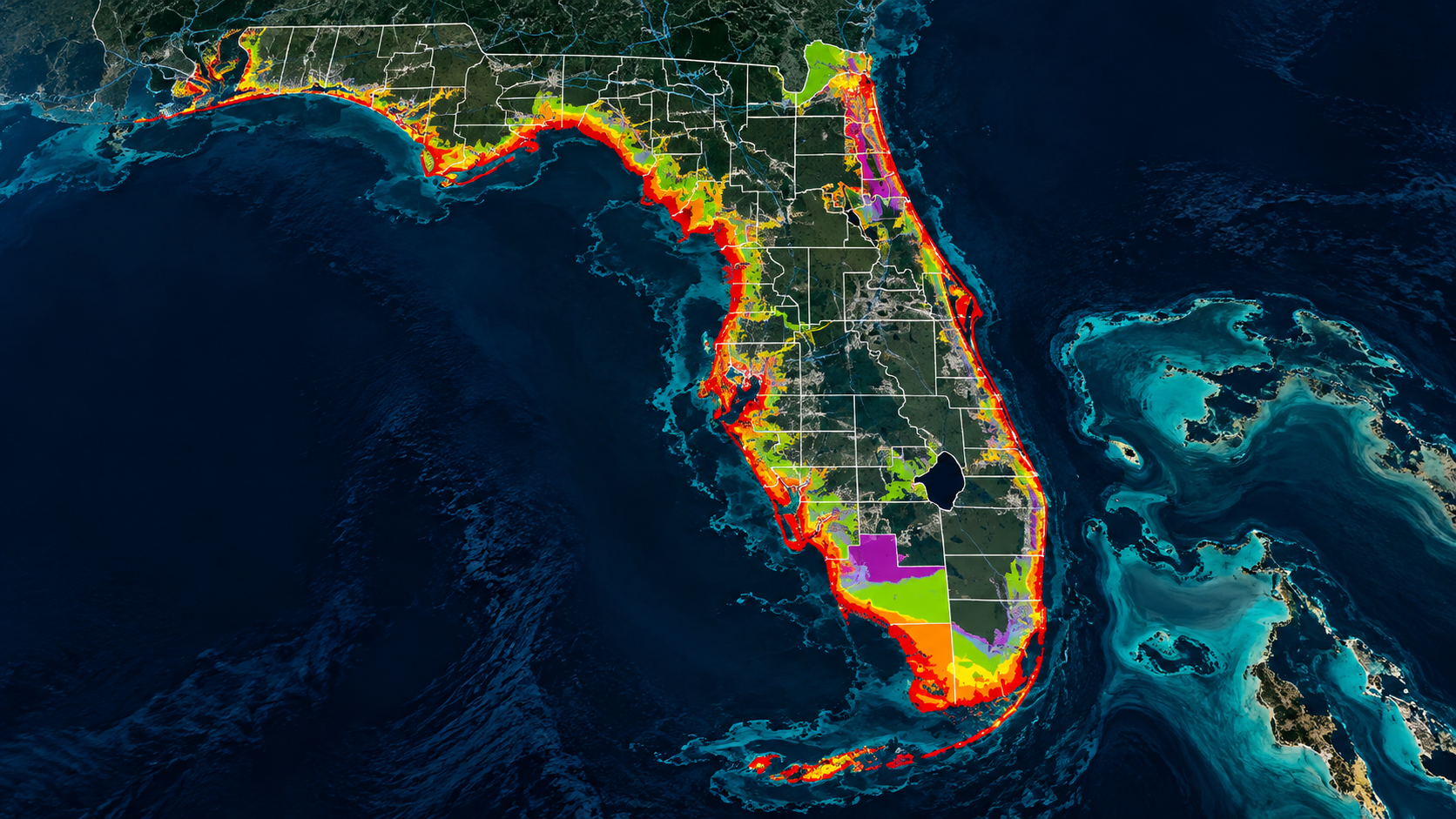
When a named storm sets its sights on Florida, waterfront homeowners carry a longer checklist than anyone who lives inland. A Super El Niño in the Pacific has made this one of the most inactive Atlantic seasons on record. NOAA’s forecasters say El Niño keeps strengthening the wind shear that tears storms apart before they organize. Eight named storms came and went without a single hurricane, the latest start for a season’s first hurricane since 1905. That record broke on October 8, when Hurricane Isaias became the season’s first and turned toward the Gulf Coast, prompting mandatory evacuations and storm surge warnings across parts of Florida.
The waterline changes everything. A few feet of storm surge can reach under a raised home, push a boat lift off its pilings, and stack debris against a seawall with the force of a battering ram. The work you do in the 48 hours before landfall decides whether the storm leaves you with a cleanup or a reconstruction.
Use this checklist to protect your shoreline, your structures, and your paperwork so that when the sky clears, you know exactly where you stand.
Know Your Flood Zone and Elevation First
Your flood zone tells you how the water is expected to behave on your street, not just how much you pay for insurance. Before a storm arrives, pull up the current FEMA map for your property and confirm which zone you are in. Areas marked as high velocity zones face the toughest conditions, because moving water and waves, not standing floodwater, put the most stress on a home.
If your house is raised, keep your elevation certificate within reach. It documents the height of your finished floor above the base flood elevation, and it becomes critical paperwork if you file a claim. Knowing how to read a FEMA flood map for your property means you can answer the first round of insurer questions from memory instead of scrambling for documents during an evacuation window.
Pair that map with a clear inventory of what sits below the floor line. That open space under a raised home is the first thing surge water reaches, and everything stored there should be moved up or moved out.
Audit the Seawall, Bulkhead, and Dock Before the Wind Arrives
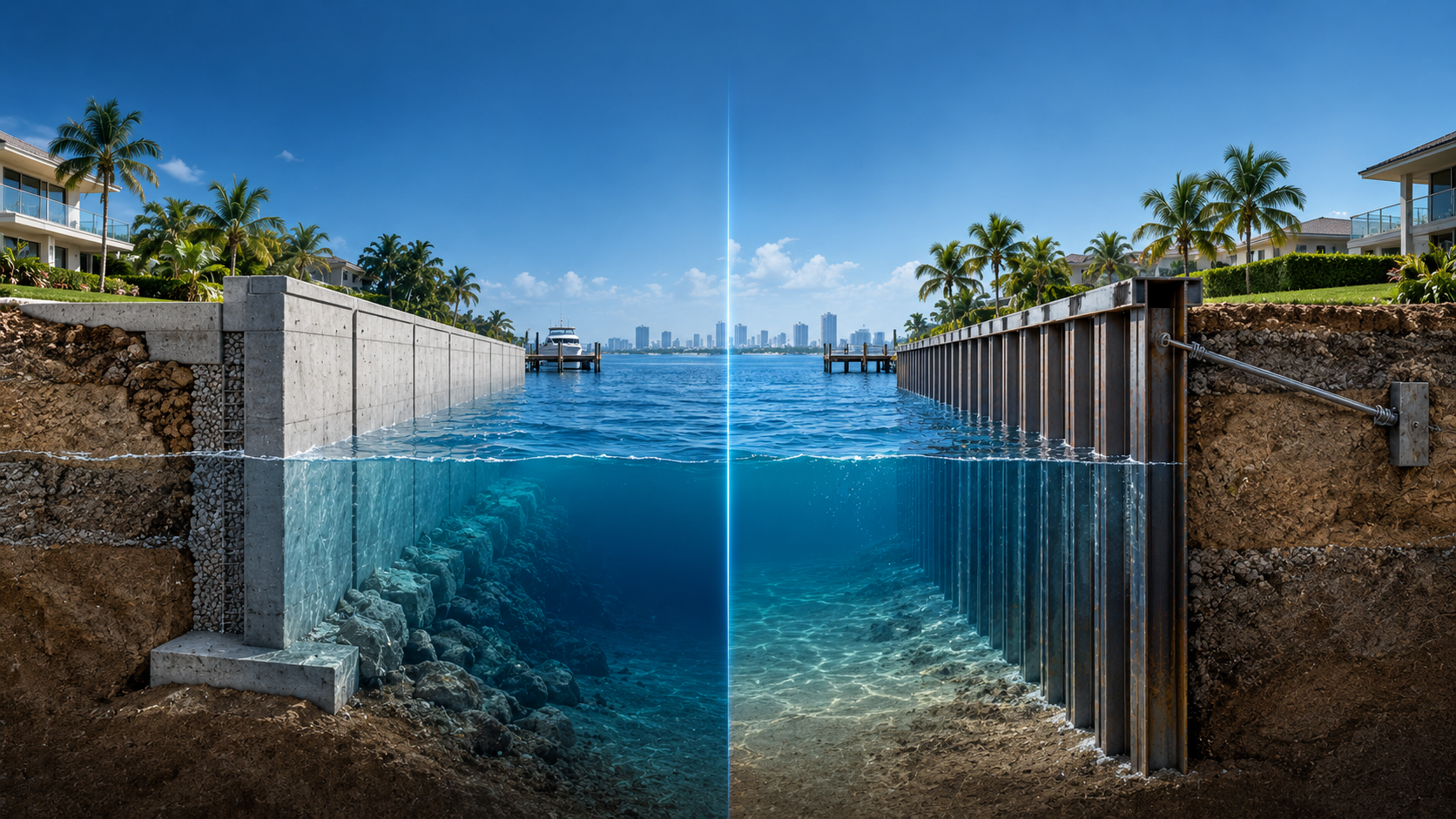
Walk the shoreline slowly and look at the structure that holds your property together. A seawall that was already leaning, cracked, or missing capstones is the most likely part of your waterfront to fail during a storm. The distinction matters more than most owners realize, because seawalls reflect wave energy while bulkheads hold back soil, and each one fails in its own way. Understanding the differences between bulkheads and seawalls helps you spot warning signs before they become breaches.
Check the dock for loose planks, corroded hardware, and pilings that feel soft at the waterline. Tighten what can be tightened, replace what is weak, and remove anything that can become a projectile. Owners who want an experienced set of eyes before the season can book a shoreline assessment with Ocean Consulting. Even a careful solo walk beats waiting for the storm to do the inspecting.
Secure the Boat Lift and Everything That Floats
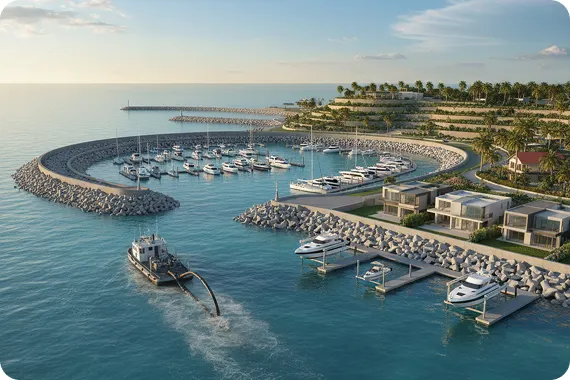
Boats, jet skis, kayaks, coolers, dock boxes. Anything that floats becomes a weapon in a storm. If the boat stays on the lift, strap the cover down hard, add extra lines to the pilings, and lock the lift in its highest position. Many owners instead choose to move the boat to a protected canal or haul it out entirely, and that decision usually comes down to whether your canal has the depth to keep the hull off the bottom, which is exactly the kind of question that dredging and boat lift clearance planning answers in advance.
Beyond the boat, secure the lift itself. Remove the cover if it acts like a sail, disconnect the power so a broken wire cannot energize the water, and lash down anything on the dock that the wind could lift. Patio furniture, grills, potted plants, and yard art all belong inside or tied down.
Protect Your Paperwork and Your Drainage
Photograph every structure from every angle before the storm, and store the images in the cloud plus on a memory card in your go bag. Walk a slow video along the seawall, the dock, and the boat lift so you have dated proof of their condition. If the storm damages them, those images help your adjuster separate preexisting wear from storm damage.
Clear drains, gutters, and swales, and move anything stored at ground level to a higher floor. If you recently completed work along the water, save your permits and as built drawings somewhere you can reach after the storm, because repair work will bring the permitting process back into your life.
After the Storm, Document Before You Touch
Once the storm passes, the natural impulse is to start cleaning. Pause. Photograph everything first, including damage that looks minor, because insurance and permits both run on evidence. Watch for water still moving around your seawall, and do not walk on cracked sections until things settle. Flooded circuits, snapped lift cables, and unstable docks are the quiet dangers of the aftermath.
If the storm exposed erosion, scoured soil from behind the seawall, or shifted the structure, make that your first phone call. Environmental permitting applies to storm repairs just as it does to new construction, and a waterfront construction permit checklist shows why a repair made without the right approvals can stall your entire recovery.
Conclusion
A hurricane tests the parts of your property that ordinary weather never reaches. The homes that recover fastest are the ones whose owners prepared the structure, secured the floats, and protected the paperwork before the storm arrived.
For the work you cannot do yourself, a marine environmental consultant can step in after the storm to assess shoreline structures, coordinate surveys, and guide repairs through permitting. Do not mistake a quiet season for a safe one: 2026 crossed a billion dollars in damage before its first hurricane ever formed, most of it from Tropical Storm Arthur’s flooding, and Isaias showed how fast a silent year can end. Ocean Consulting has spent over 20 years helping Florida waterfront owners rebuild with confidence. When the next storm comes, you will know exactly where to start.