

Turbidity is one of the most critical environmental factors in marine construction. When construction activities disturb seafloor sediments, they release fine particles into the water, creating turbid conditions that can devastate marine ecosystems. For marine construction professionals, managing turbidity is not optional. It determines regulatory compliance, project permitting success, and long-term environmental stewardship. This guide explains turbidity fundamentals, environmental impacts, regulatory requirements, monitoring methods, and control strategies for successful marine construction projects.
What Is Turbidity and Why Does It Matter in Marine Construction
Turbidity measures the cloudiness of water caused by suspended particles such as silt, clay, and organic matter. Higher readings indicate more particulates floating in the water column. For marine construction, turbidity serves as a key water quality indicator that directly affects regulatory compliance, permit conditions, and ecosystem protection.
Construction activities like dredging, seawall installation, dock construction, and pile driving disturb sediments and release fine particles into surrounding waters. The resulting sediment plumes can travel far beyond the immediate work area, impacting habitats located significant distances away. Understanding and controlling turbidity is essential for any marine construction project seeking regulatory approval and environmental success.
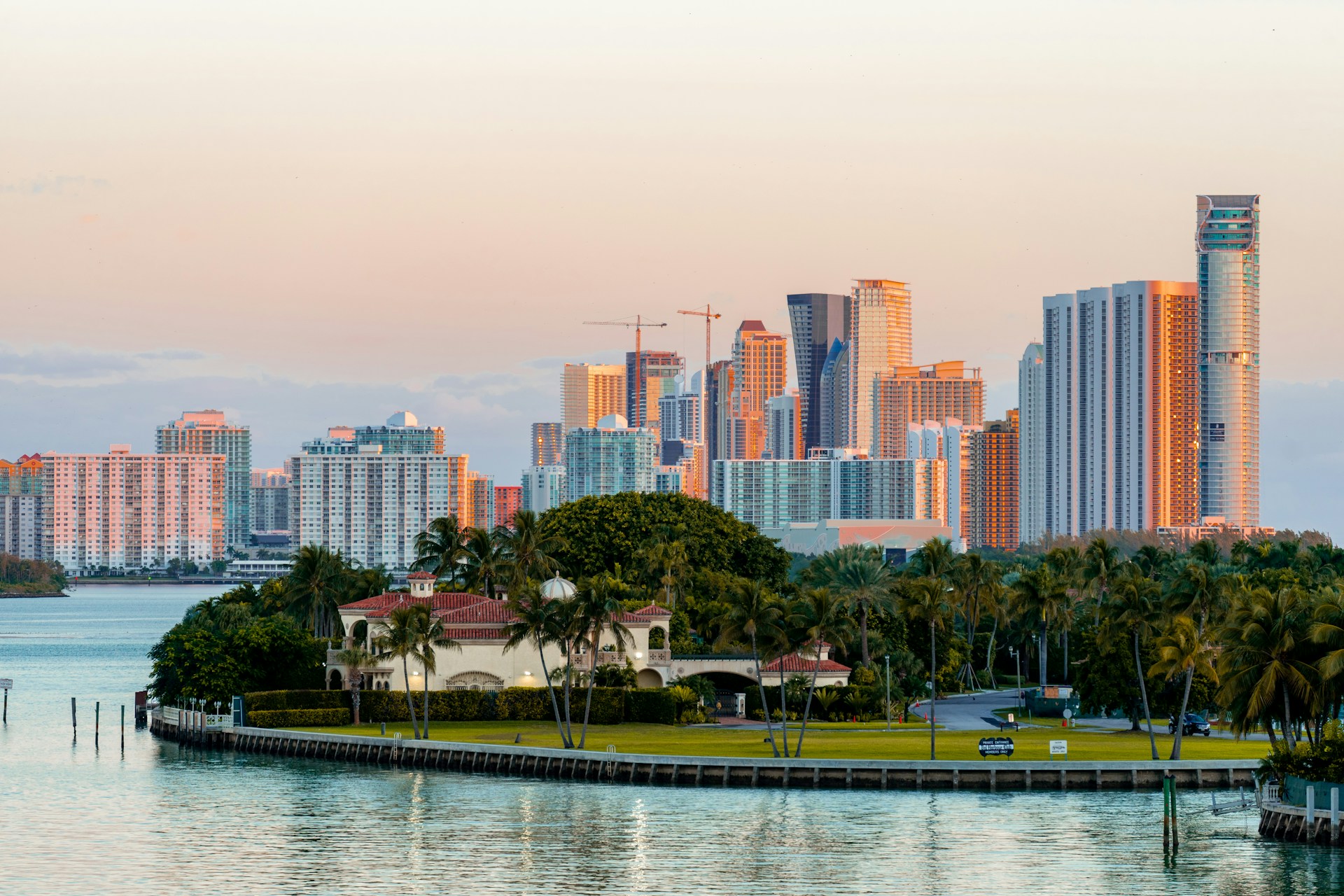
Turbidity is measured in Nephelometric Turbidity Units (NTU). Florida DEP. Miami-Dade County DERM, and Caribbean regulatory agencies set specific NTU thresholds that marine projects must not exceed, particularly near sensitive ecosystems like coral reefs and seagrass beds.
How Turbidity Harms Marine Ecosystems
Elevated turbidity creates cascading damage throughout marine environments. Understanding these impacts helps construction professionals recognize why monitoring and control measures matter so much.
Damage to Coral Reefs
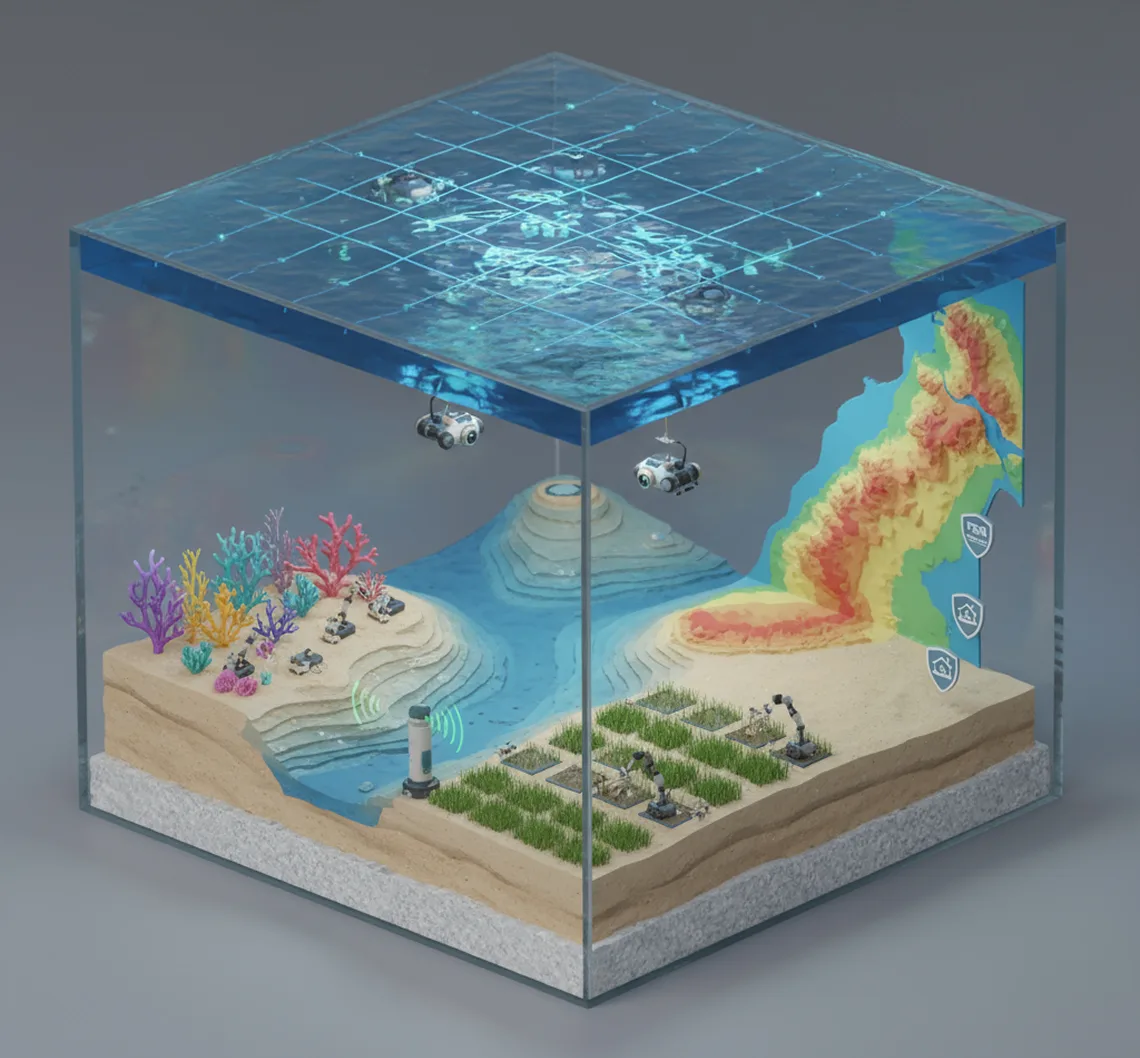
Coral reefs suffer severely from increased turbidity. Suspended sediments coat coral polyps, blocking sunlight essential for photosynthesis in zooxanthellae algae living within coral tissues. When light is reduced, corals become stressed and experience bleaching. Prolonged turbidity exposure prevents recovery and leads to coral mortality. Construction near reef systems demands extraordinary care because sediment plumes can drift onto healthy coral colonies located far from the actual work site.
Impact on Seagrass Beds
Seagrass meadows depend on adequate sunlight penetration for photosynthesis. Elevated turbidity reduces light availability, causing seagrass decline and die-off. Seagrass beds provide critical habitat for juvenile fish, manatees, and sea turtles. When seagrass dies, entire food webs collapse and sediment stabilization is lost, creating a cycle of continued erosion and turbidity generation.
Effects on Fish and Marine Wildlife
Suspended sediments impair fish feeding by coating gill surfaces and reducing visibility for predatory species. Turbidity also disrupts navigation, spawning behavior, and larval development. Marine mammals and sea turtles face similar challenges when hunting or traveling through turbid waters. The interconnected nature of marine ecosystems means that turbidity impacts cascade throughout the food web, affecting species far removed from the original construction site.
Turbidity Standards and Regulatory Compliance
Meeting regulatory standards is non-negotiable for marine construction projects. Agencies require documented turbidity management throughout every phase of construction.
Florida, Miami-Dade County, and Caribbean Standards
Marine construction projects must comply with strict turbidity standards established by state and regional environmental agencies. Florida DEP and Miami-Dade County DERM typically requires that turbidity levels remain within specific NTU thresholds above natural background conditions. Exceedances can trigger automatic work stoppages, mandatory remediation, and permit modifications. Caribbean nations have adopted similar standards, with many requiring real-time monitoring during dredging and construction activities near sensitive areas.
Permit Requirements
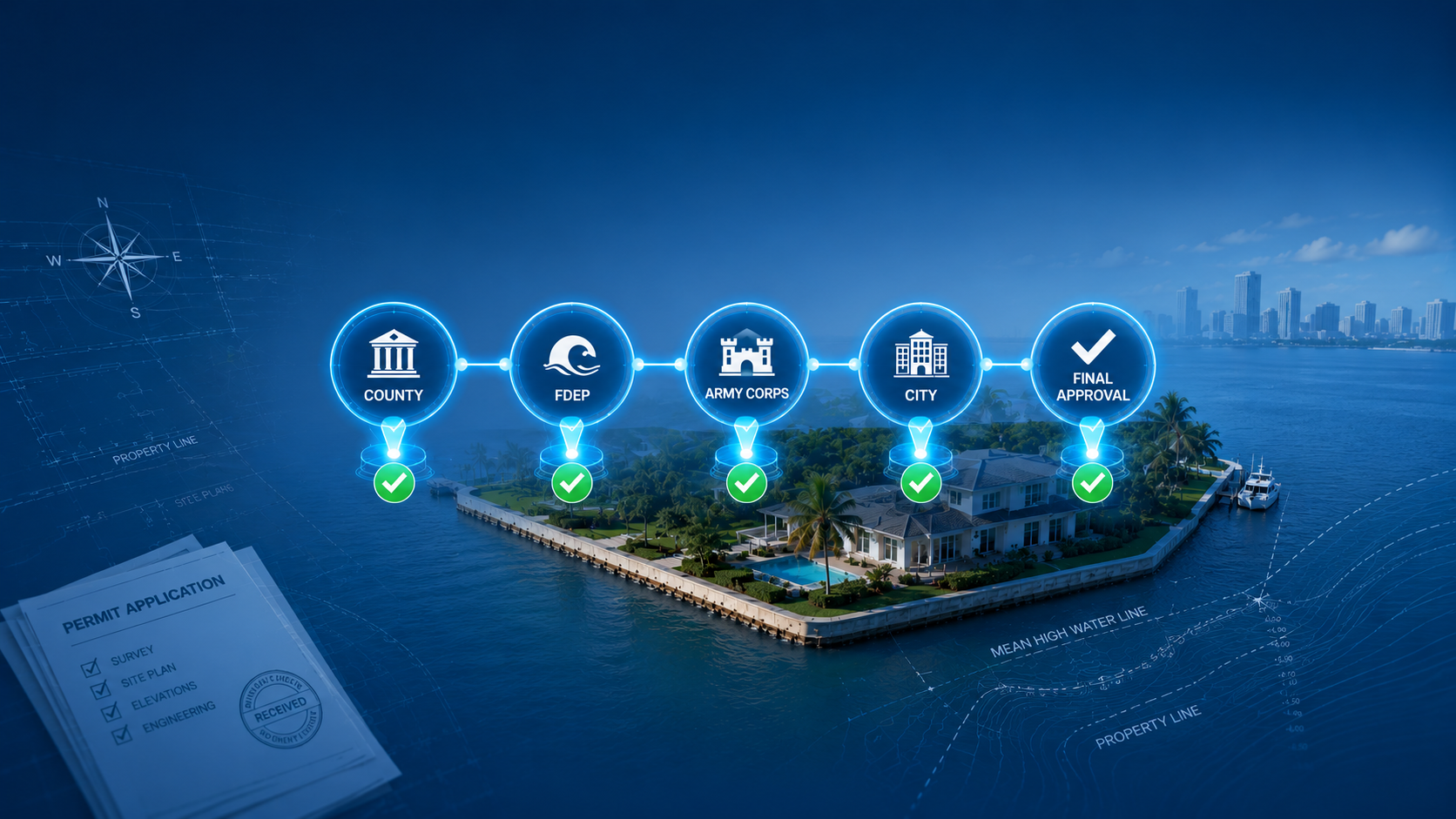
Environmental permits for seawalls, docks, marinas, and dredging operations include turbidity management conditions. These conditions mandate monitoring frequency, reporting schedules, response protocols when thresholds are exceeded, and post-construction water quality verification. Failure to document compliance can result in project delays and regulatory penalties. Permitting agencies increasingly require baseline water quality assessments before issuing approvals.
Documentation and Reporting
Regulatory compliance requires meticulous record-keeping. Marine construction firms must submit turbidity monitoring reports demonstrating that activities remained within permitted limits throughout construction. These records become part of the permanent project file and may be reviewed during post-construction audits or in response to citizen complaints.
Turbidity Monitoring Methods for Marine Projects
Effective monitoring provides the data necessary to protect ecosystems and demonstrate regulatory compliance throughout construction activities.
Continuous Monitoring Sensors
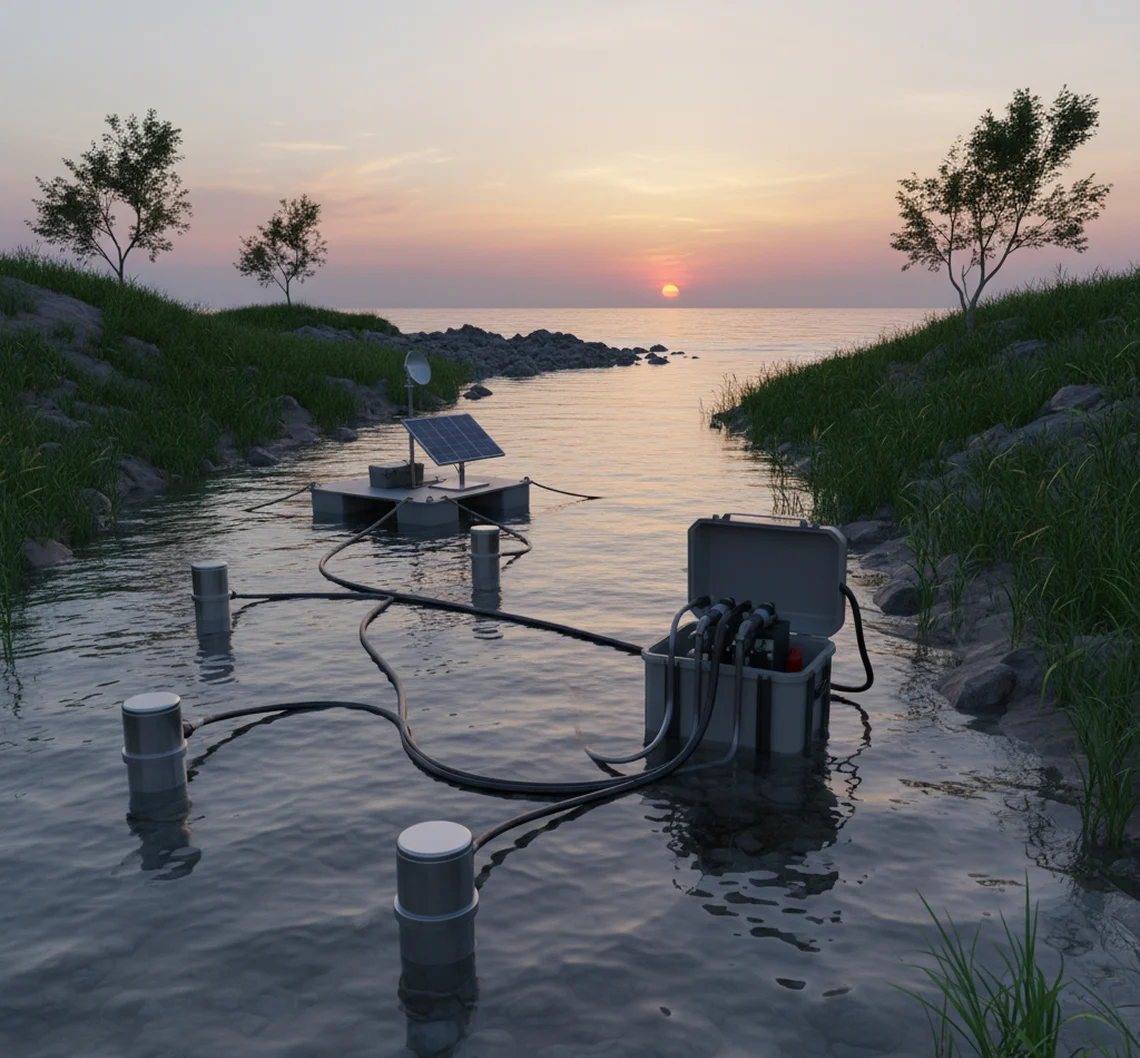
Modern marine construction relies on in-situ turbidity sensors that provide continuous, real-time readings throughout the water column. These sensors use optical scattering technology to measure NTU levels and transmit data to central monitoring systems. When readings approach threshold limits, alerts notify site managers so they can adjust operations immediately. Multi-parameter sondes combine turbidity sensors with dissolved oxygen, pH, and temperature monitoring for comprehensive water quality reporting.
Sampling and Laboratory Analysis
Field sampling complements continuous monitoring by collecting water samples for laboratory analysis. Laboratory results confirm sensor accuracy and provide detailed particle size distribution and total suspended solids data. Sampling protocols must follow approved methods to ensure legally defensible results that regulatory agencies will accept.
Monitoring Location Selection
Strategic sensor and sampling location placement determines monitoring effectiveness. Monitoring points should include upcurrent and downcurrent stations to measure background conditions and construction impacts respectively. Locations near sensitive habitats require particular attention because these areas face the greatest risk from sediment plumes.
Effective Turbidity Control Strategies
Controlling turbidity requires proactive measures implemented before, during, and after construction activities disturb sediments.
Silt Containment Barriers
Silt curtains and turbidity barriers represent the first line of defense against sediment dispersion. These floating barriers contain suspended particles within the immediate work zone, preventing plumes from reaching sensitive habitats. Proper deployment and maintenance are essential because poorly secured barriers allow sediments to escape. Barrier effectiveness depends on water depth, current velocity, and construction activity intensity.
Work Timing and Seasonal Considerations
Scheduling construction activities around tidal cycles reduces turbidity impacts. Working during slack tides minimizes current-driven sediment transport. Avoiding construction during storm events prevents uncontrolled sediment mobilization. Seasonal considerations matter because some species face greater sensitivity during specific life cycle periods. Coordinating project timing with environmental windows protects vulnerable species while maintaining construction schedules.
Sediment Management Practices
Pre-construction sediment characterization helps predict turbidity generation potential. Removing easily suspended fine sediments first allows faster settling once operations cease. Maintaining adequate equipment standoff distances from sensitive habitats reduces direct disturbance and sediment mobilization.
Partner With Ocean Consulting LLC for Turbidity Management Success
Marine construction projects demand professional turbidity assessment and monitoring to protect ecosystems, ensure regulatory compliance, and maintain project momentum.
Ocean Consulting LLC combines hydrographic surveying, environmental impact analysis, and permitting support with dedicated water quality monitoring. Our niche specialization in marine environmental consultancy helps developers and agencies balance construction objectives with protection of seagrass beds, coral reef systems, and broader marine ecosystem health.