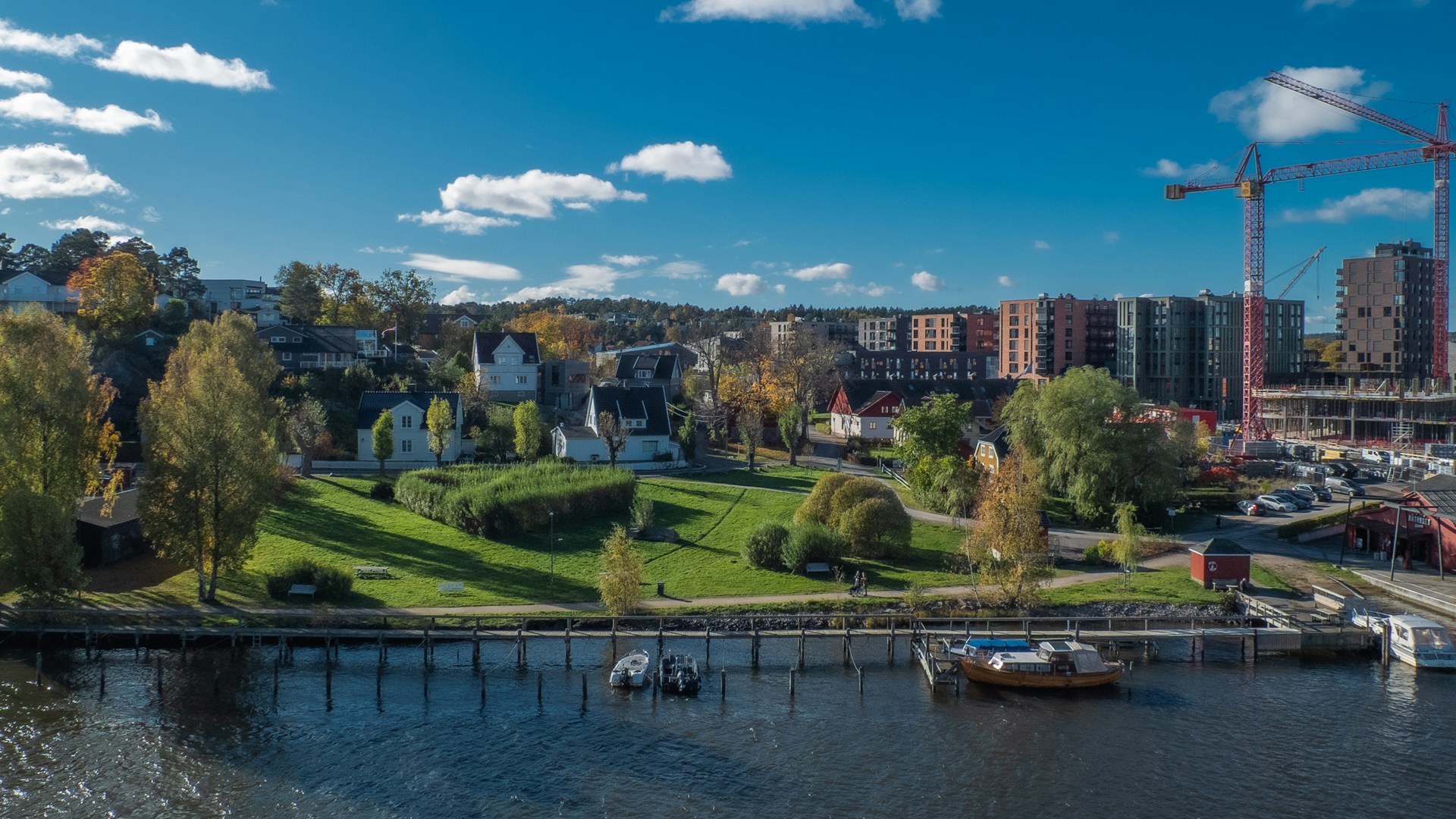

After working across Florida’s coastlines, waterways, and marine regulated areas, one reality becomes clear very quickly. Coastal environments do not behave the same way from one site to another. Shorelines shift, water levels change, and natural systems respond differently depending on location, sediment movement, and human activity.
Coastal engineering exists to understand these conditions before problems occur and to design solutions that protect property, infrastructure, and marine environments over time. In Florida, this discipline is not theoretical. It is applied daily to real sites facing erosion, flooding, permitting constraints, and environmental oversight.
Coastal Engineering From a Practical Perspective
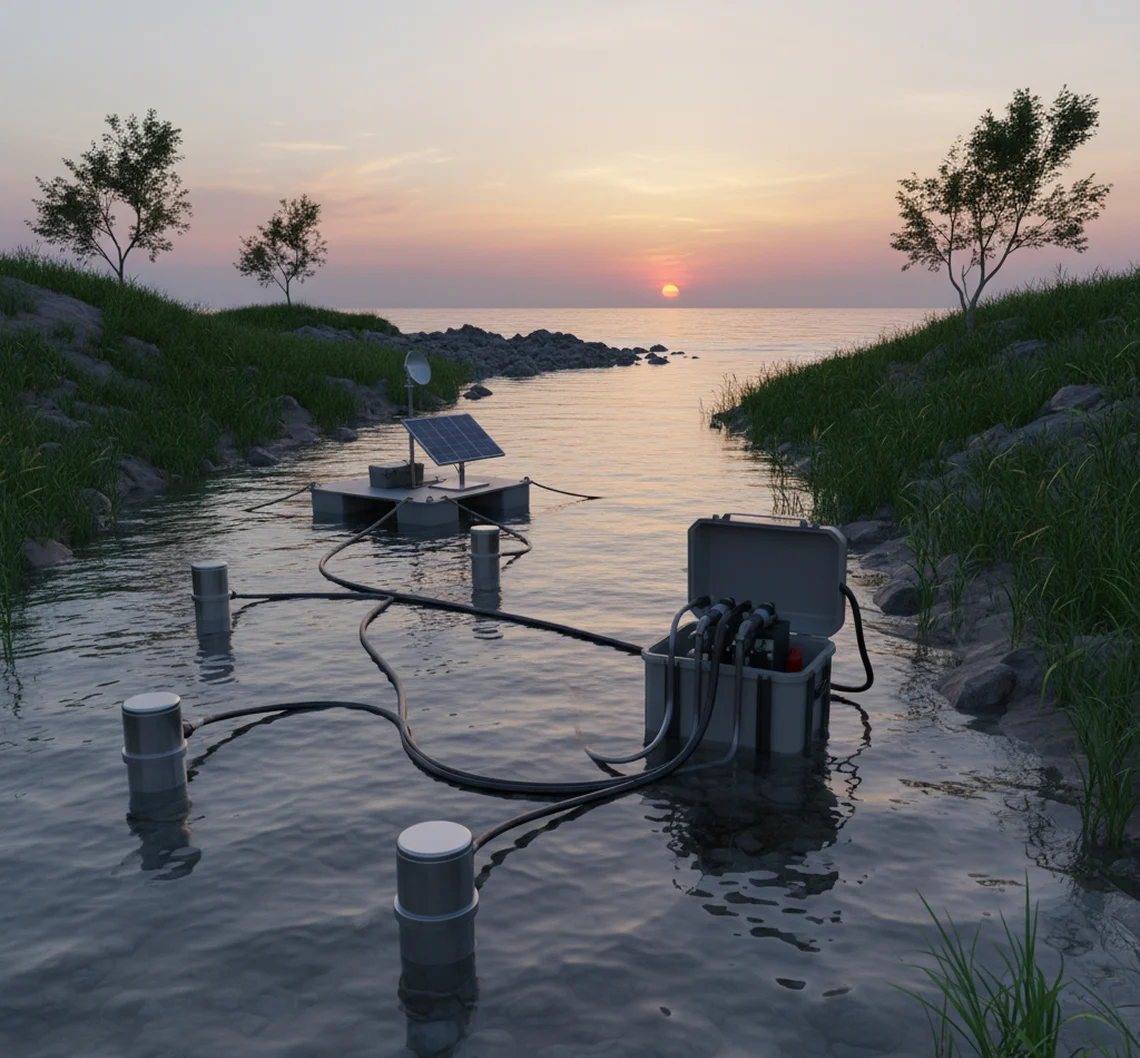
Coastal engineering focuses on how land, water, and structures interact in tidal and nearshore areas. In practice, this means evaluating wave energy, current patterns, sediment behavior, and storm exposure before any shoreline or marine project moves forward.
Experienced coastal engineers do not rely on assumptions. Each site is analyzed based on field data, historical shoreline changes, regulatory limits, and future risk factors. This approach helps avoid design failures that often appear years after construction when conditions shift.
In Florida, coastal engineering frequently overlaps with environmental compliance, making technical accuracy essential from the start.
Why Coastal Engineering Matters So Much in Florida
Florida’s coastlines are shaped by constant natural forces and strict environmental protections. Coastal engineering challenges in Florida are addressed by analyzing how shorelines move, how water behaves during storms, and how projects interact with sensitive marine habitats. Each factor must be considered together to avoid risk and unintended impacts.
Active Shoreline Movement
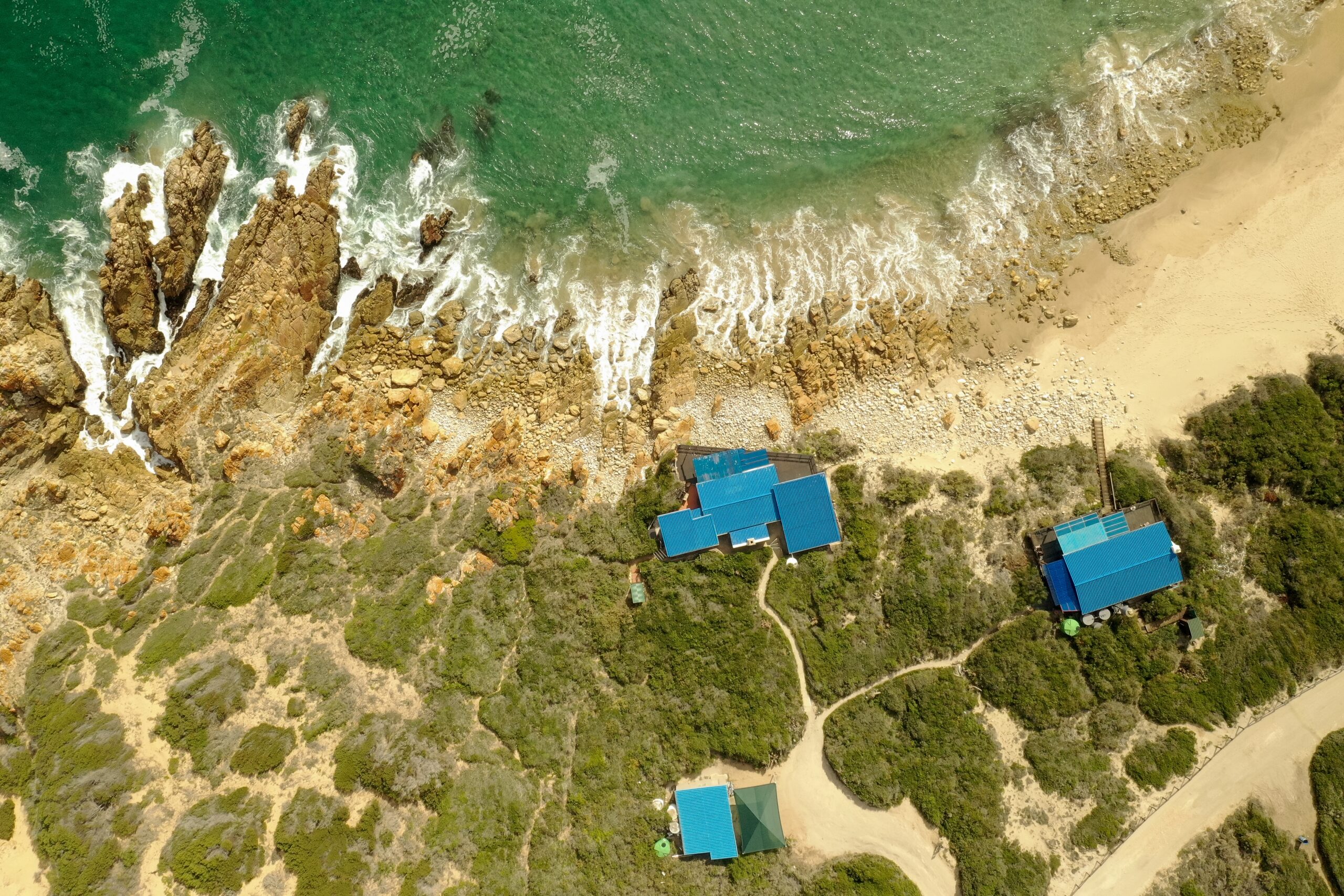
Many Florida shorelines are dynamic. Sand migration, tidal influence, and boat wakes contribute to gradual erosion. Without proper engineering evaluation, shoreline protection measures can worsen the problem instead of solving it.
Flood Exposure
Low-elevation coastal areas face recurring flood risks. Coastal engineering identifies how water enters a site and how it can be redirected or managed without disrupting nearby properties or habitats.
Storm Impact and Recovery
Florida storms test every coastal structure. Engineering designs must consider surge forces, wave reflection, and soil stability to reduce damage and speed recovery after severe weather events.
Environmental Sensitivity
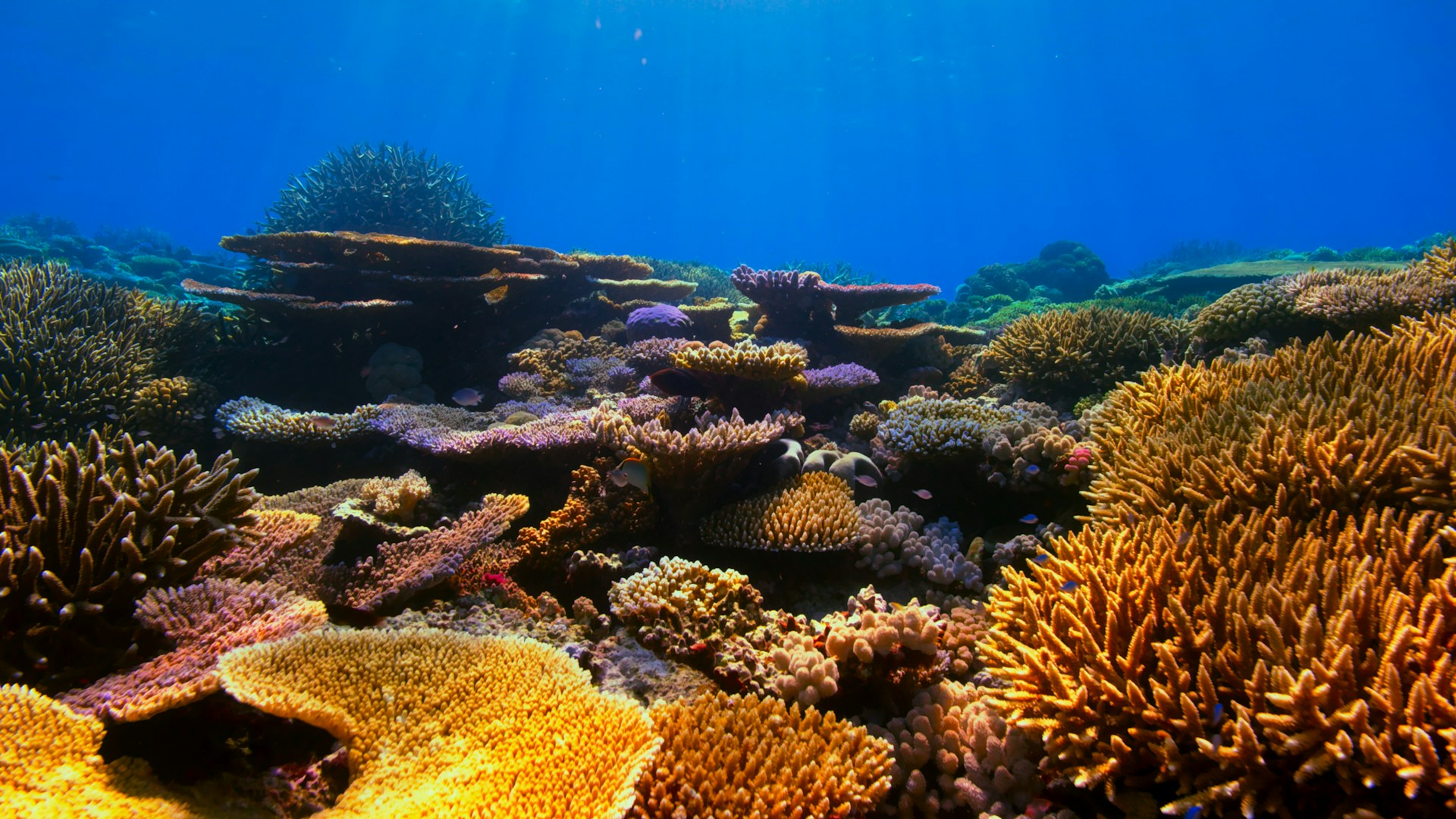
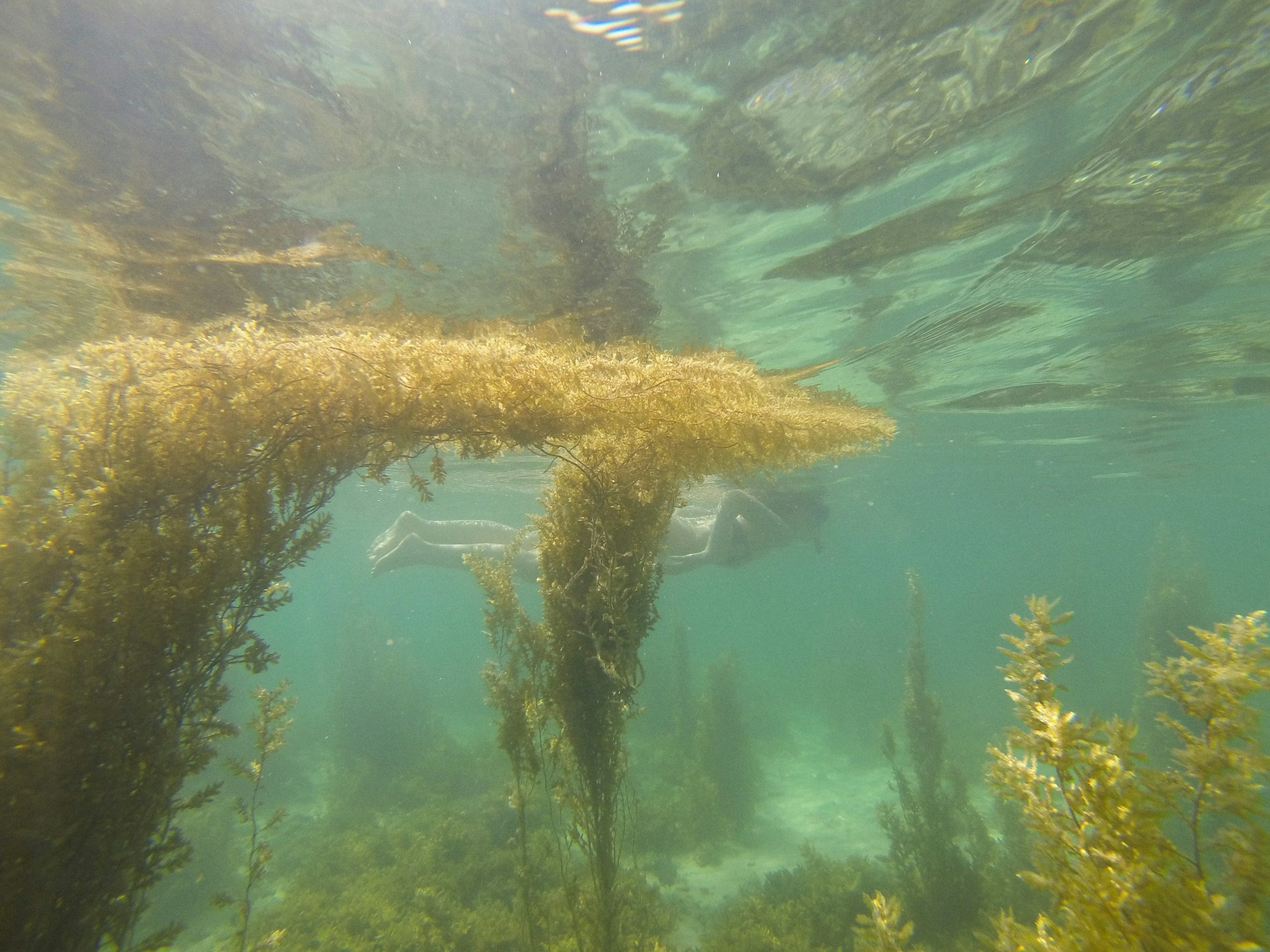
Mangroves, wetlands, seagrass beds, and nearshore habitats are legally protected in many areas. Coastal engineering helps balance project goals with environmental responsibilities by integrating habitat-aware design strategies.
Core Coastal Engineering Applications in Real Projects
Based on field experience, coastal engineering typically supports projects in the following areas.
Shoreline Stabilization
Engineered stabilization solutions are designed to slow erosion while allowing natural water movement. The goal is to maintain shoreline performance rather than short-term fixes.
Waterfront and Marine Structures
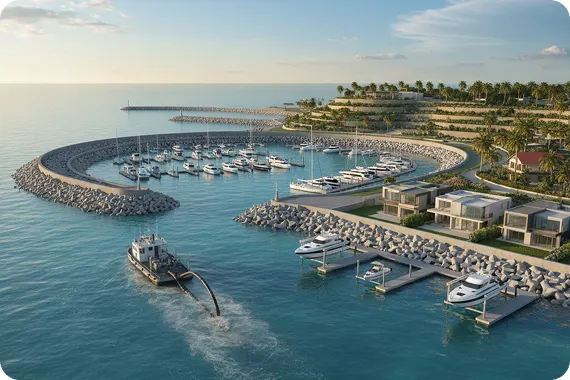
Docks, bulkheads, seawalls, and access structures must perform under tidal cycles and storm loading. Engineering ensures these structures remain stable and compliant throughout their lifespan.
Flood Risk Mitigation
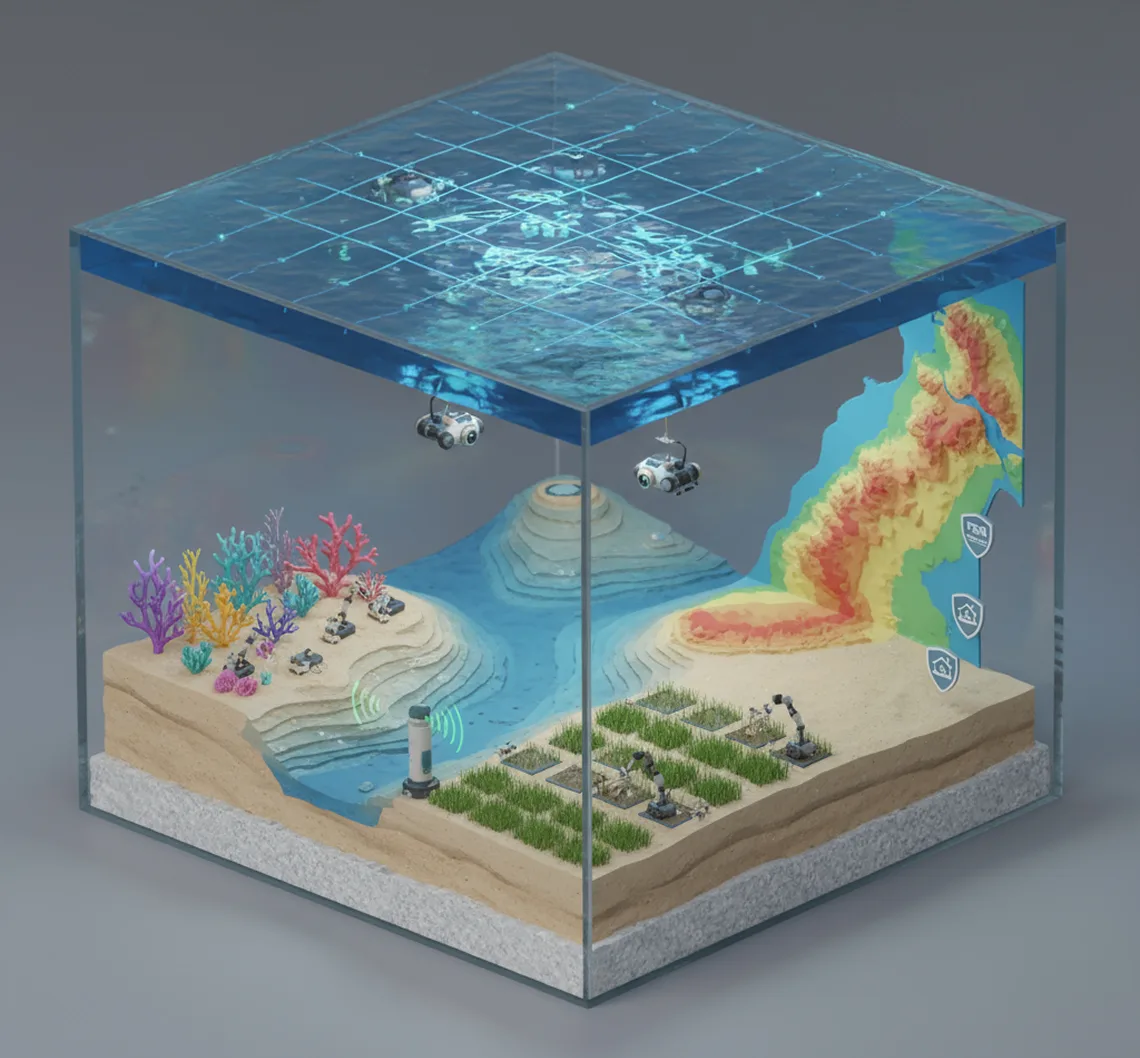
Engineering analysis uses FEMA flood mapping to identify flood pathways and elevation constraints, allowing designs that reduce exposure without creating downstream impacts.
Sediment and Soil Evaluation
Understanding soil composition and sediment transport is critical. Improper assumptions in this area often lead to structural failure or permit rejection.
The Importance of Coastal Engineering in Permitting
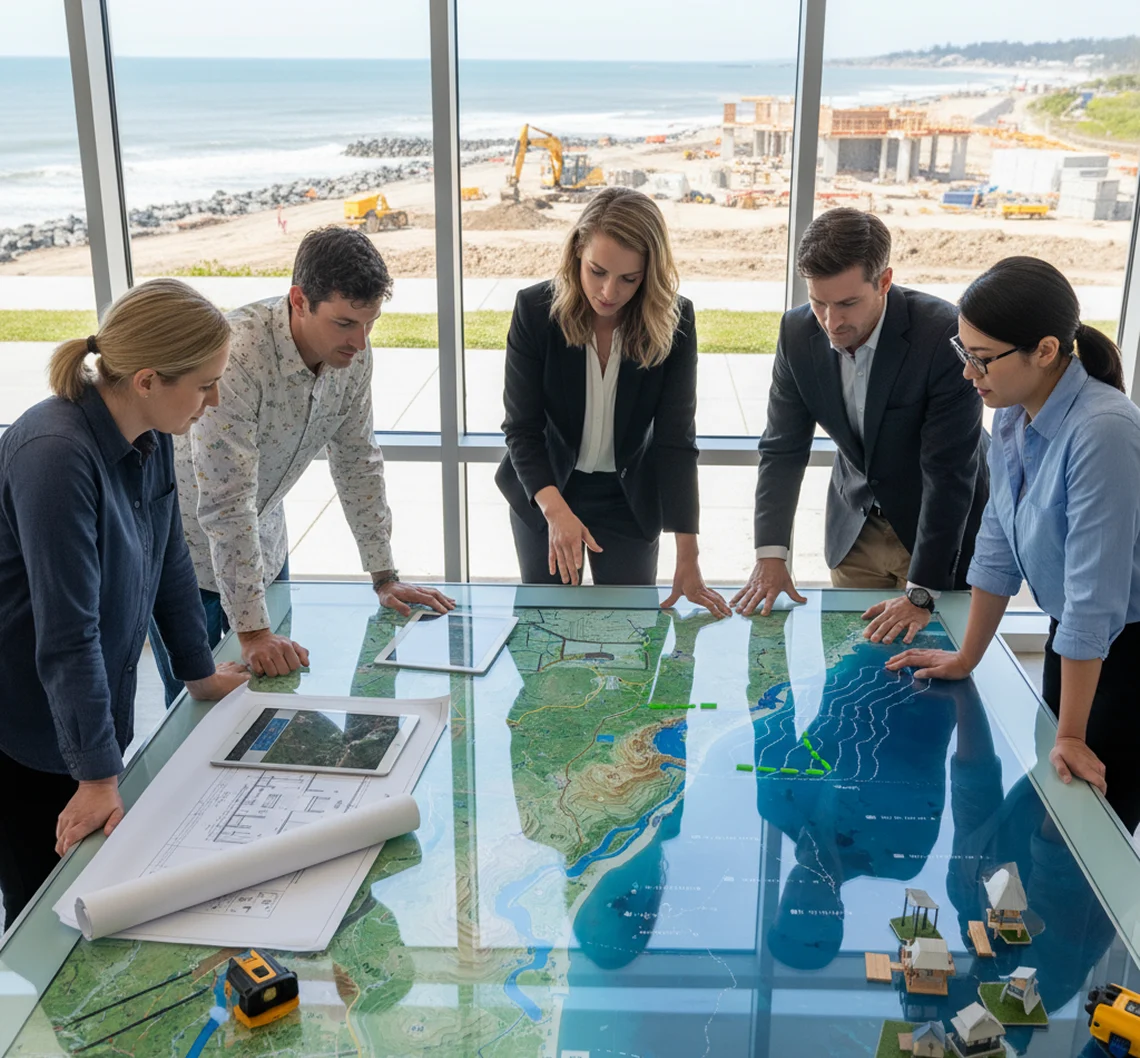
In Florida, most coastal and marine projects require approvals from multiple regulatory agencies. Coastal Engineering documentation often determines whether a project moves forward smoothly or faces delays.
From experience, permitting challenges usually arise when:
- Site conditions are underestimated
- Environmental impacts are not fully addressed
- Technical reports lack clarity or accuracy
Coastal engineering supports permitting by providing defensible data, clear drawings, and well-supported impact assessments that regulators can evaluate with confidence.
Supporting Responsible Waterfront Development
Coastal engineering enables responsible waterfront development by aligning construction plans with environmental and physical realities.
Well-engineered projects typically result in:
- Fewer permit revisions
- Reduced construction risk
- Lower maintenance needs
- Improved environmental compatibility
- Better protection during extreme weather
This approach benefits property owners, communities, and regulatory agencies alike.
Environmental Responsibility in Coastal Engineering
Modern coastal engineering prioritizes protection of natural systems alongside structural goals. Through experience, it becomes clear that ignoring environmental conditions leads to project setbacks.
Responsible engineering considers:
- Natural shoreline buffers
- Habitat continuity
- Water quality protection
- Adaptive design methods
This balanced approach supports sustainable outcomes and stronger regulatory relationships.
Why Experience Matters in Coastal Engineering
Coastal environments are complex and unforgiving of shortcuts. Experience enables engineers to identify site-specific risks early, ask the right questions, and design solutions that perform effectively under real-world conditions.
In Florida, experienced coastal engineering means understanding:
- Regional shoreline behavior
- Local permitting expectations
- Environmental review processes
- Lasting coastal trends
This knowledge reduces uncertainty and improves project success from planning through completion.
Coastal Engineering as a Long-Term Strategy
Coastal engineering is not about reacting to damage after it occurs. It is about planning, reducing exposure, and protecting both built and natural environments as conditions change.
With continued coastal administration, development, and increasing environmental pressures, thoughtful engineering will remain essential for Florida’s shoreline resilience.
Final Perspective
Coastal engineering plays a foundational role in how Florida manages its coastlines, waterways, and waterfront projects. It blends technical analysis, regulatory awareness, and environmental responsibility into solutions that stand the test of time.
From firsthand experience, the most successful coastal projects are those guided by engineering decisions made early, informed by data, and grounded in an understanding of how Florida’s coastal systems truly function.