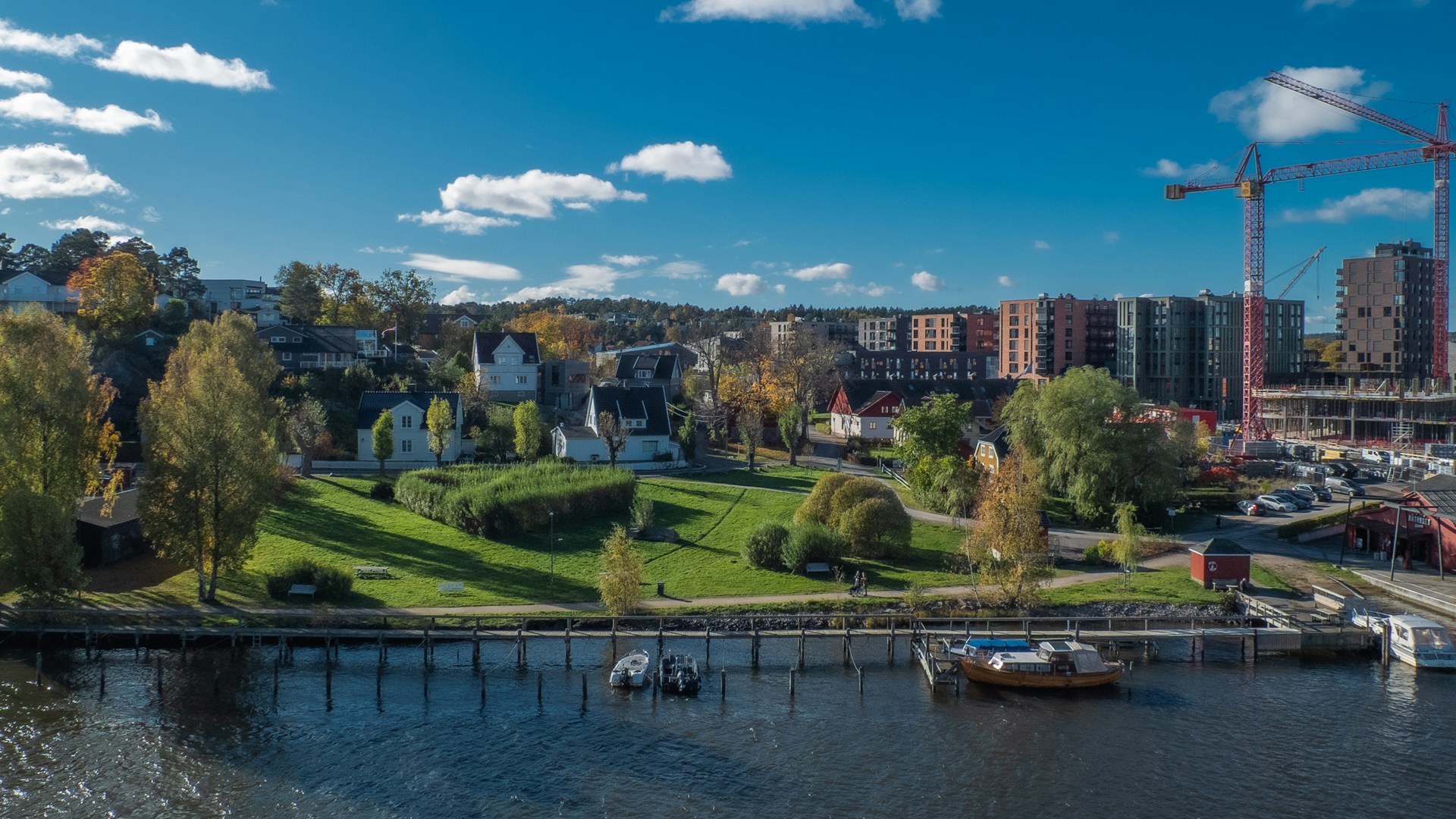
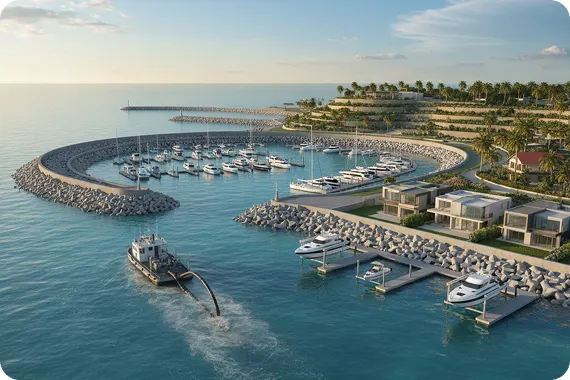

Environmental impact analysis refers to a structured review carried out before any construction activity begins. The purpose is to study how a planned marine infrastructure project might influence nearby natural conditions. This review gives a clear picture of how physical, biological, and chemical elements may respond once work starts and once the facility becomes active.
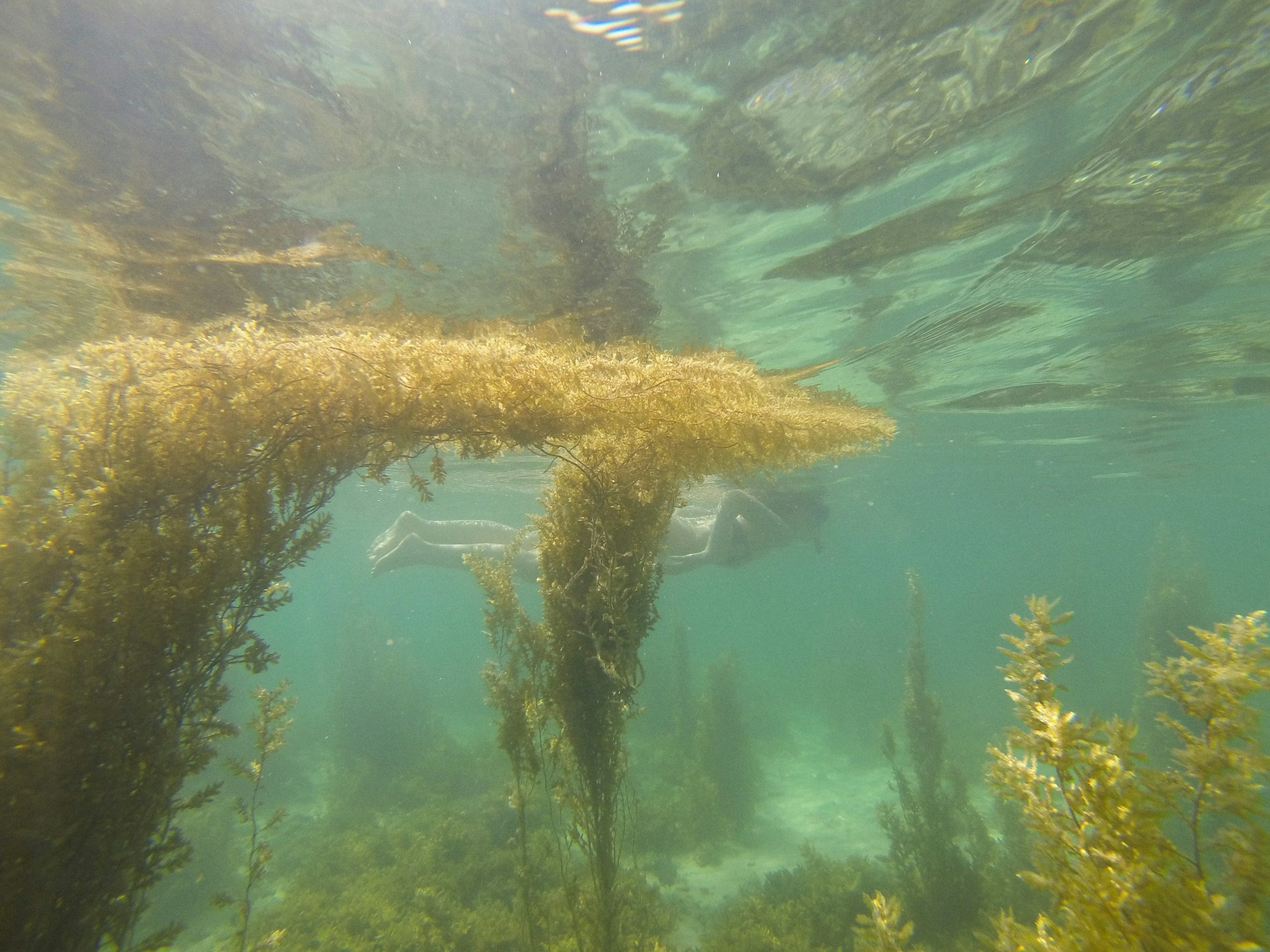
The study usually begins with a careful review of sediment behavior and water quality. Marine work can shift natural sediment routes, raise turbidity, and influence clarity levels, so understanding these patterns is essential. The assessment also examines how the project might influence marine habitat, including changes in vegetation, fish movement, breeding grounds, and overall biodiversity within the area. This forms the base for a clear understanding of environmental impact analysis for marine infrastructure developments.
Another key part of the process is the review of hydrodynamics. Any structure placed in or near the coast can alter water flow, wave activity, and shoreline balance. These changes can contribute to coastal erosion or affect natural protection features. The analysis also considers pollution, noise, and other effects linked with construction and later activities. This helps identify sources that might disturb local communities or marine life.
With these insights, developers and environmental consulting teams can prepare plans that reduce harm to the surrounding area while still meeting project needs.
A Marine Environmental Impact Analysis’s Components
The following elements are commonly found in a thorough EIA for marine infrastructure:
Initial Environmental Evaluation
Understanding the current condition of the coastal and marine environments is the first step. This comprises:
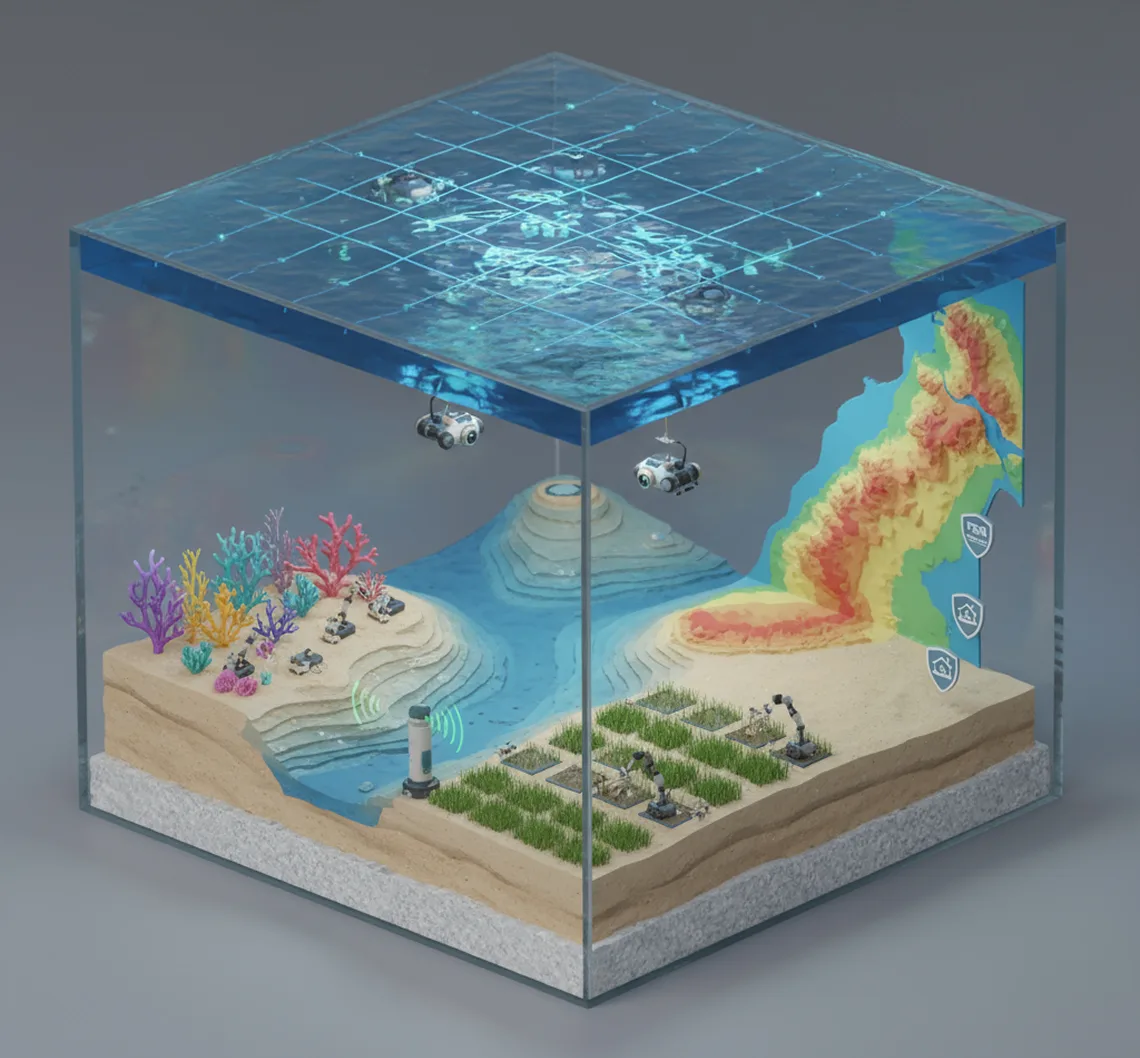
- Identifying sensitive areas and mapping habitats
- Documenting biodiversity and species populations
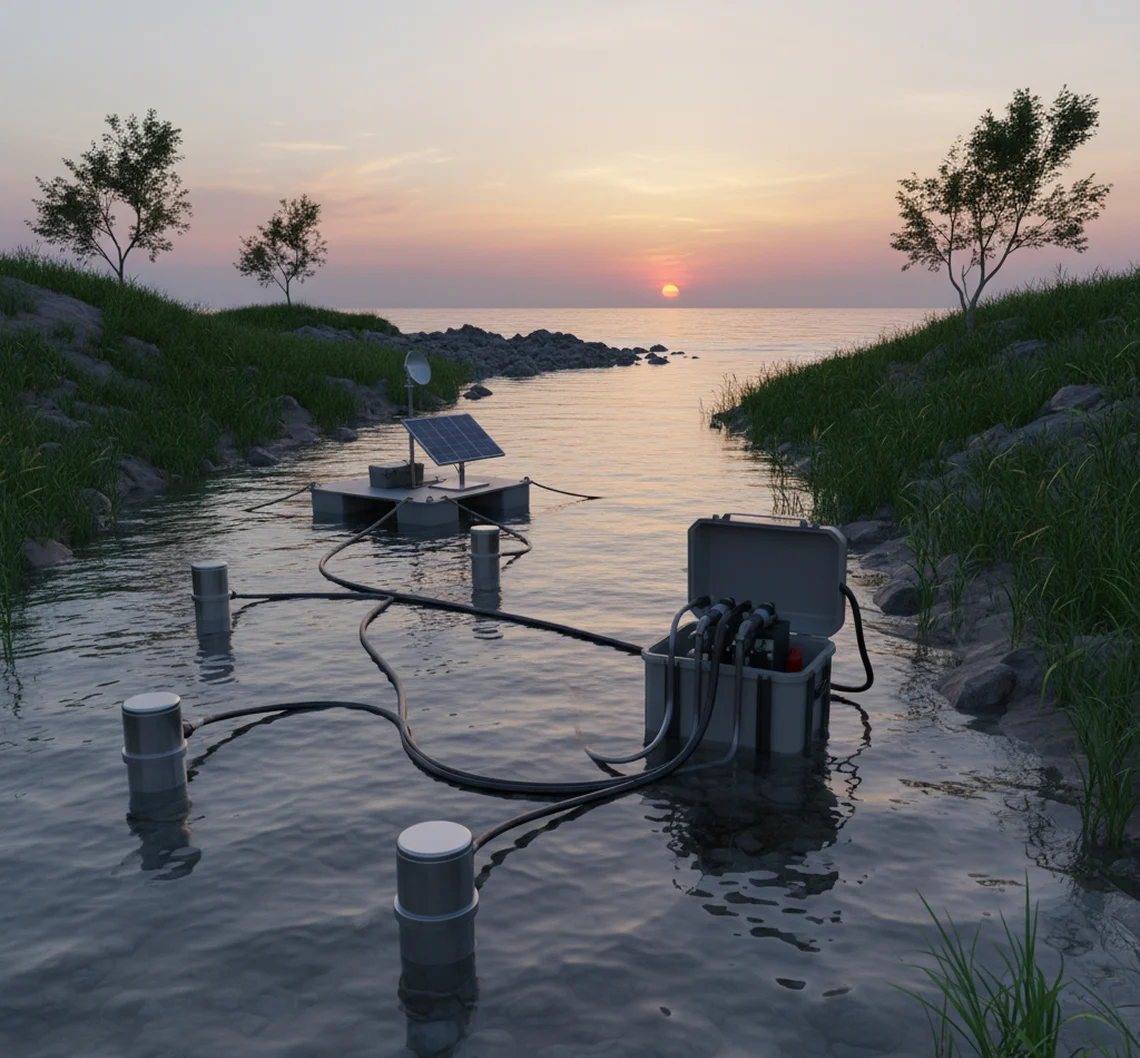
- Assessing tidal patterns, sediment composition, and water quality
When assessing the effects of a project and monitoring changes over time, baseline data is a useful resource.
Impact Prediction and Evaluation
Predicting the project’s potential environmental impact comes next, after the baseline has been set. This entails examining:
- Physical alterations like a disturbed seabed or changed water flow
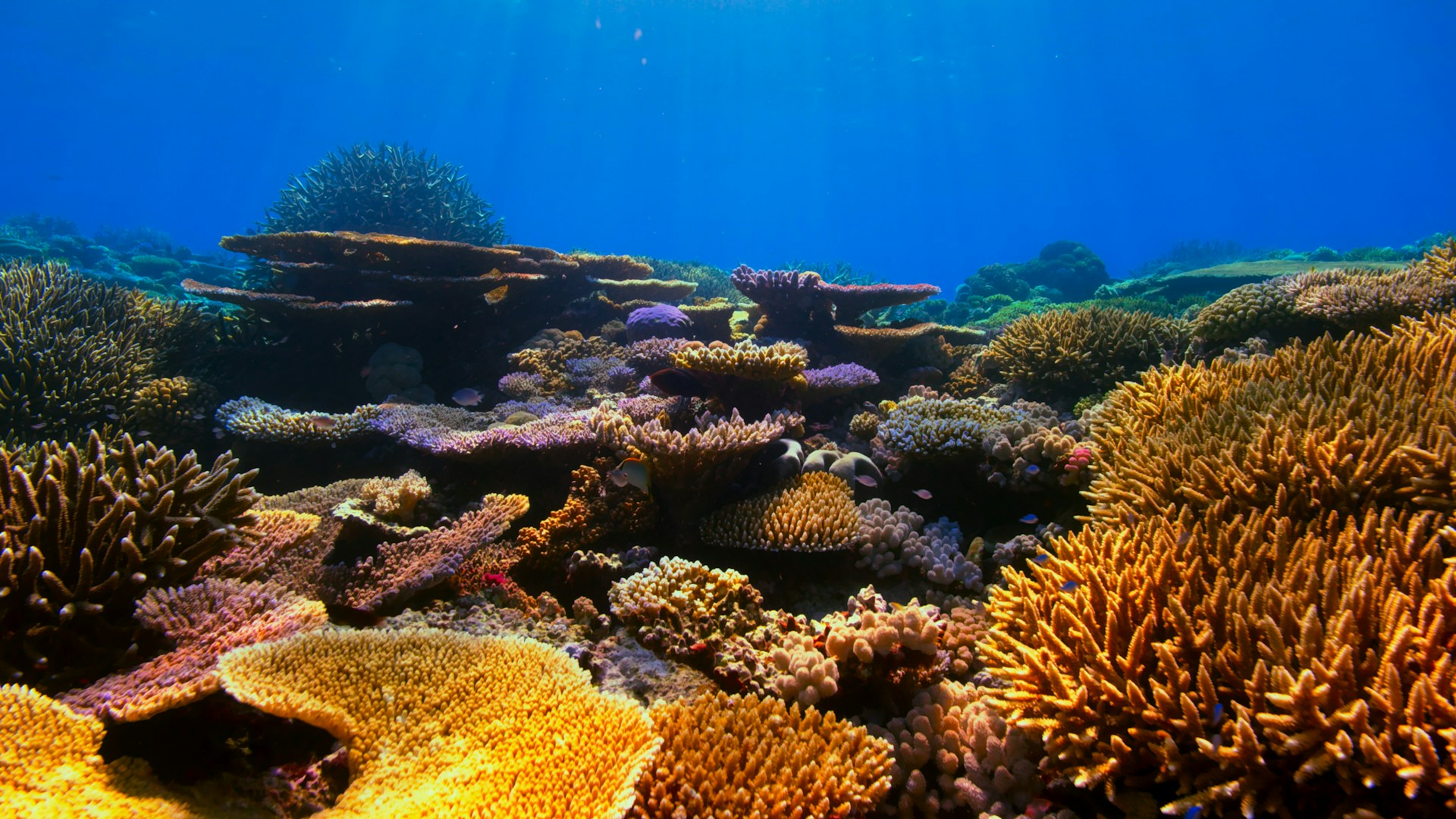
- Biological effects on coral reefs, fish, and other marine organisms
- Chemical effects, like elevated turbidity or the discharge of pollutants
Project teams can proactively plan mitigation measures when predictions are accurate.
Mitigation Measures
The purpose of mitigation strategies is to prevent, lessen, or compensate for environmental effects. Among the examples are:
- Project designs being changed to avoid sensitive habitats
- Putting sediment and erosion control measures into action
- To make up for habitat loss, artificial habitats or restoration initiatives
For marine infrastructure projects to be sustainable, these tactics are essential.
Monitoring and Adaptive Management
Programs for environmental monitoring and assessment keep tabs on the state of the environment both during and after project construction. Constant observation enables developers to:
- Verify the effectiveness of the mitigation measures.
- Modify plans if unanticipated consequences occur.
- Assure sustained adherence to environmental laws.
To preserve ecological balance and safeguard marine resources, monitoring is a crucial first step.
Role of Environmental Consulting Firms
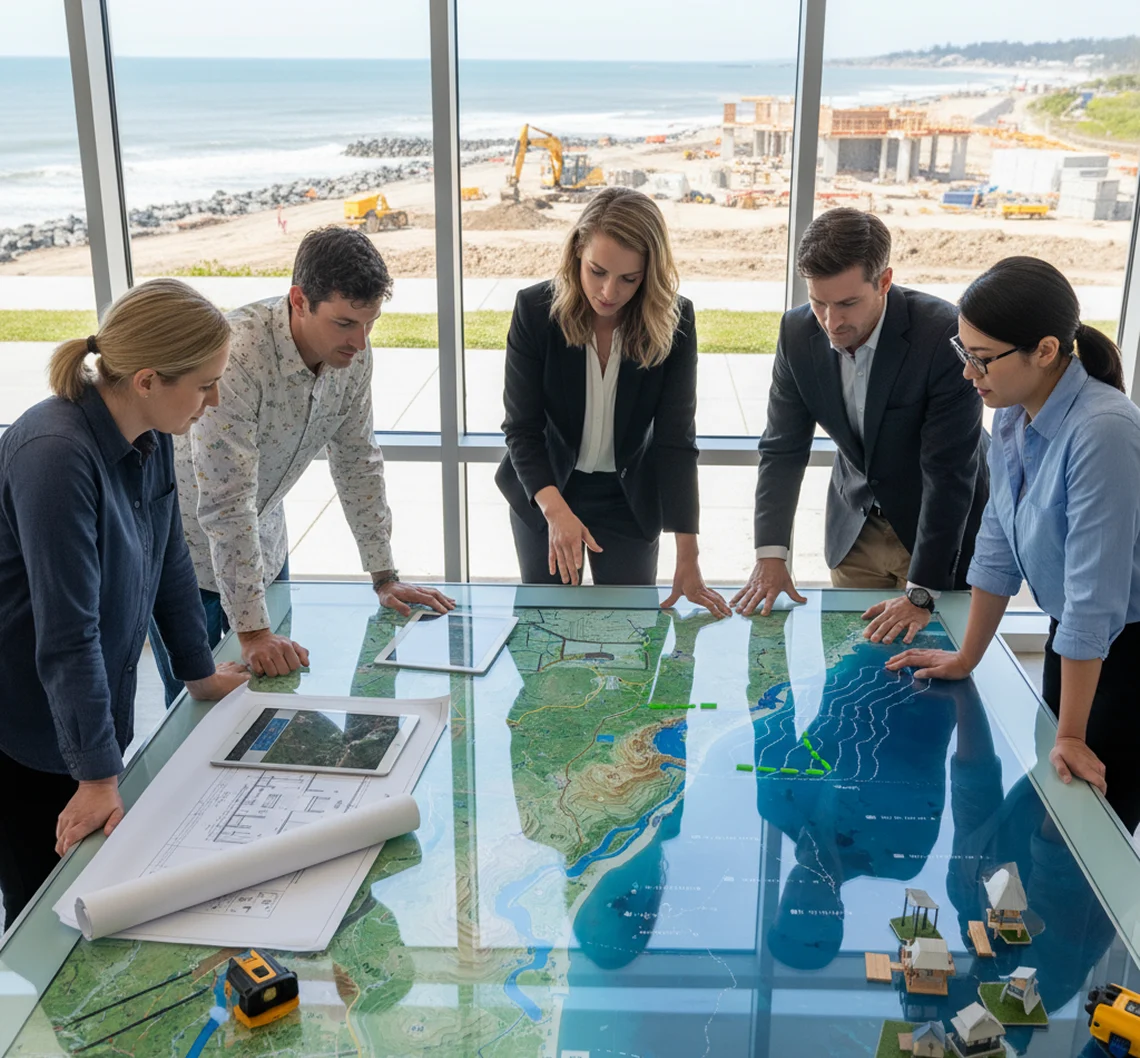
Environmental consulting companies offer the know-how to carry out EIAs and direct the planning of sustainable projects. Among their offerings are:
- Marine Environmental Consulting: Providing specific expertise on marine ecosystems, habitats, and biodiversity through marine environmental consulting.
- Environmental Engineering Consulting: Offering guidance on environmentally friendly building and operation methods.
- Environmental Monitoring and Assessment: Monitoring environmental conditions and making sure rules are followed.
- Project Advisory: Serving as environmental consultants to help clients with planning for mitigation, risk management, and permits.
Developers can strike a balance between environmental responsibility and operational goals by working with knowledgeable consultants.
Importance of Marine Environmental Specialists
Experts in environmental science and marine ecology are known as marine environmental specialists. They are essential to EIAs because they:
- Carrying out in-depth research on marine ecosystems and biodiversity
- Finding vulnerable habitats and endangered species
- Advising on sustainable development methods and mitigation techniques
- Making sure that environmental regulations and best practices are followed
Their knowledge guarantees comprehensive, precise, and useful environmental assessments.
Advantages of Environmental Impact Analysis
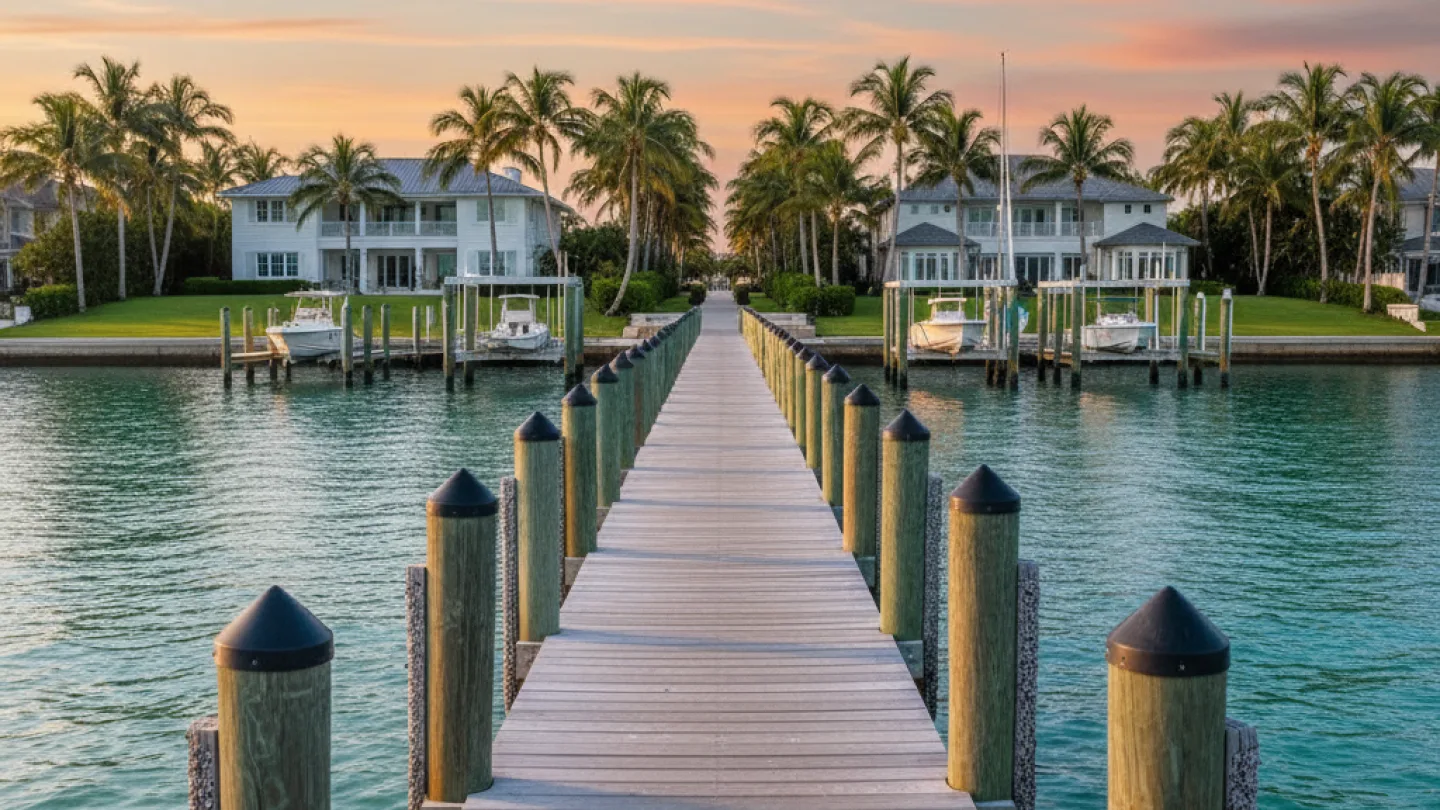
Marine infrastructure developments must contend with significant coastal risks such as shoreline erosion, storm surge, and rising sea level as outlined in coastal engineering challenges and solutions in Florida. Conducting a thorough Environmental Impact Analysis before construction helps assess how planned projects might interact with these factors. This makes it possible to design infrastructure that respects natural dynamics while safeguarding both property and coastal ecosystems. A properly conducted EIA has the following benefits:
- Sustainable Development: Encourages the expansion of infrastructure while preserving marine environments.
- Regulatory Compliance: It guarantees that environmental laws and standards are followed.
- Risk Reduction: Reduces environmental, legal, and reputational risks through risk reduction.
- Making Informed Decisions: Offers precise information for design and planning.
- Trust the Community: Exhibits a dedication to environmental conservation.
The Way Forward
An essential component of developing and implementing marine infrastructure is environmental impact analysis. Developers can design safe, sustainable, and ecologically conscious projects by evaluating possible environmental effects, suggesting practical mitigation strategies, and putting continuous monitoring into place.
Incorporating seasoned environmental consulting firms and marine environmental specialists, such as Ocean Consulting LLC, guarantees that projects are directed by best practices in marine and coastal management, in-depth analysis, and expert insight.