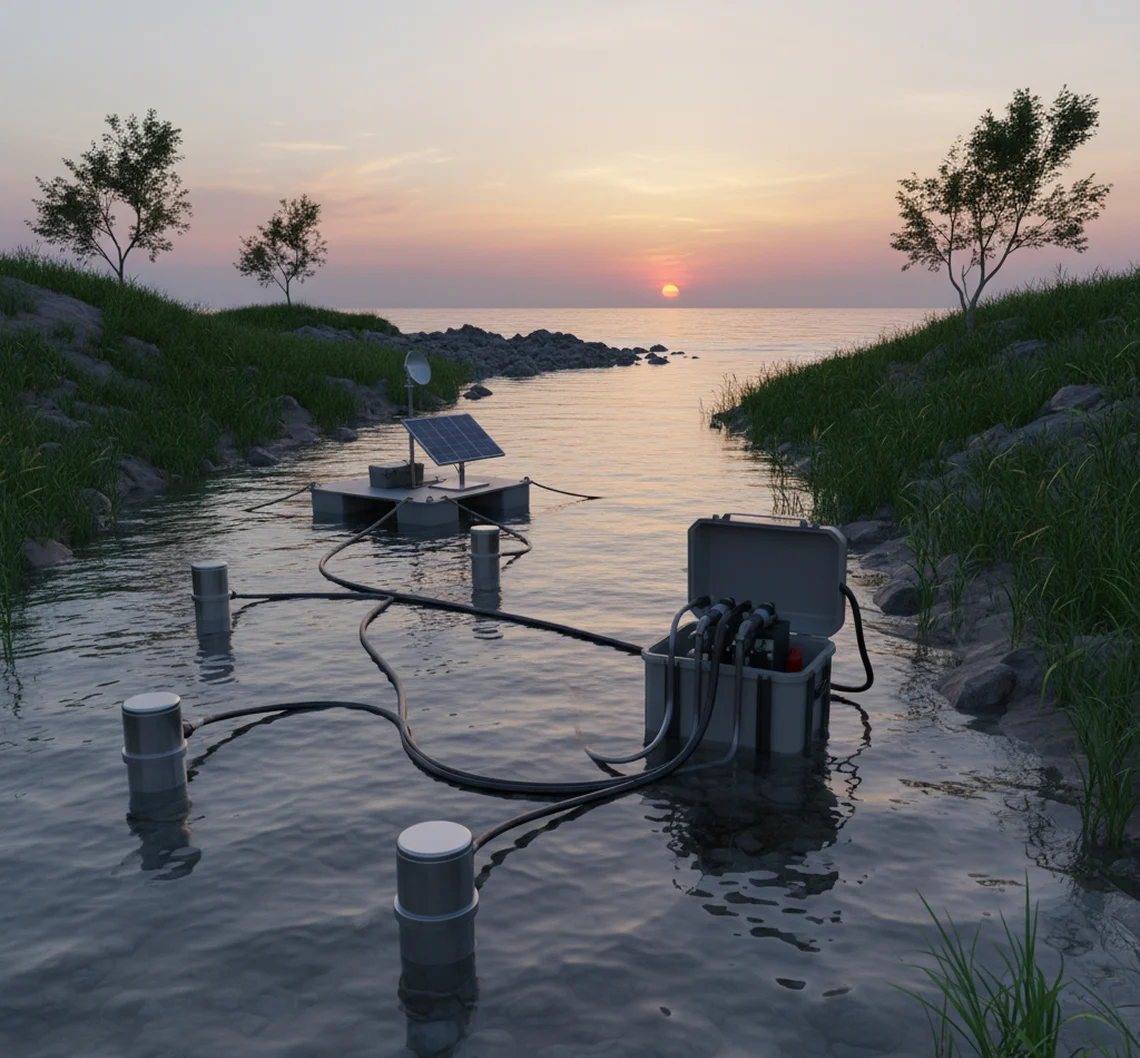
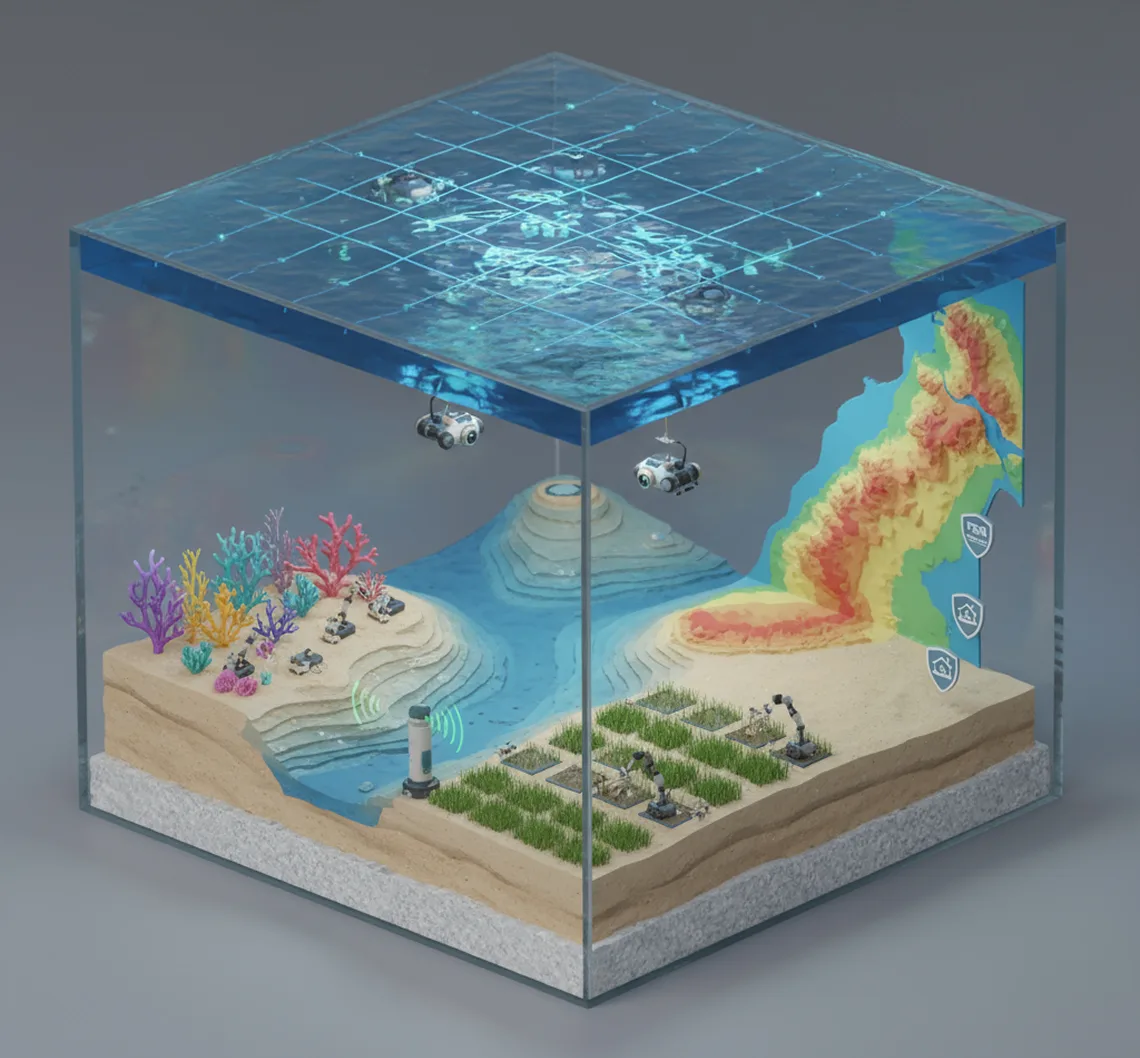


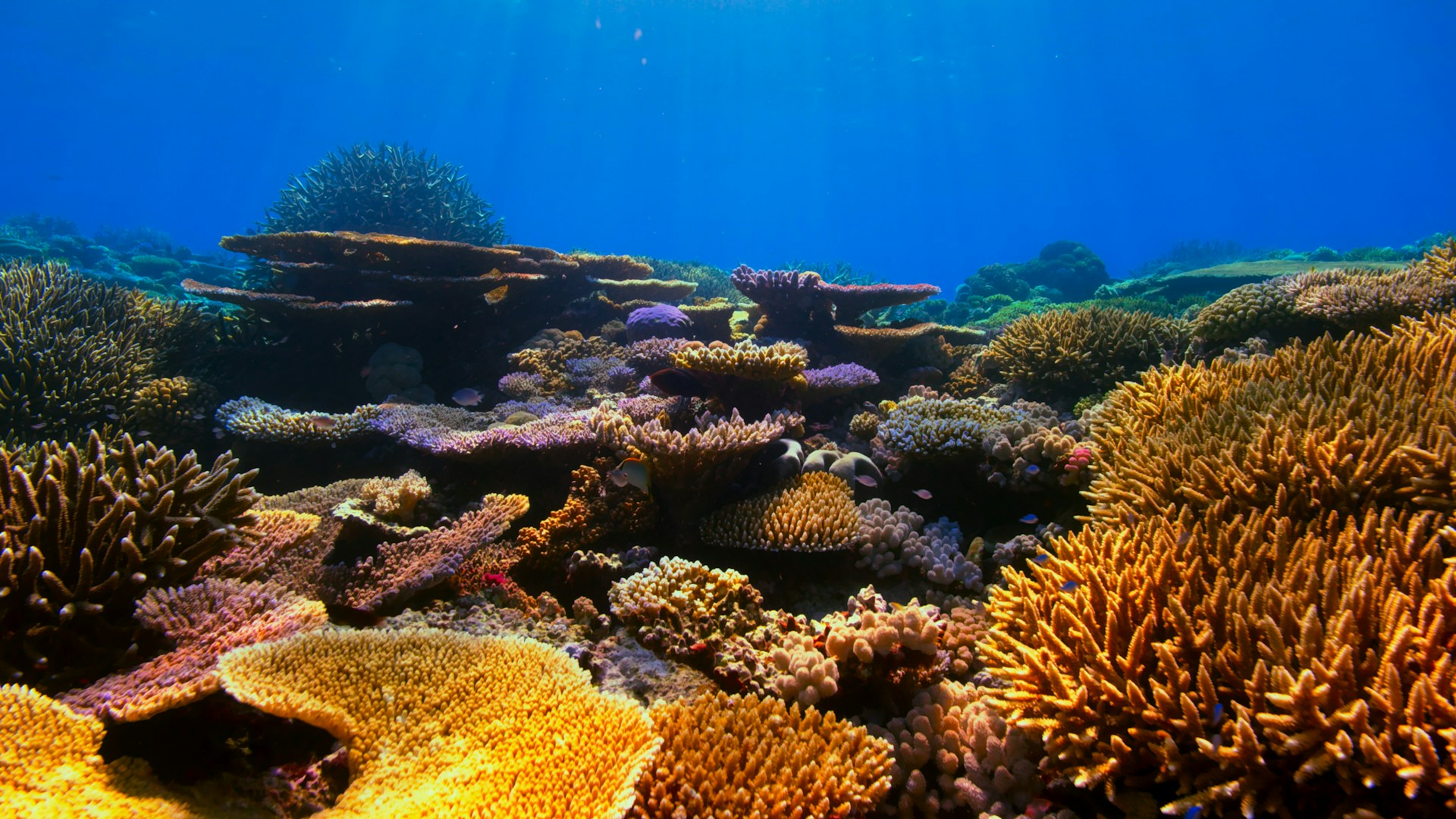
Coastal construction, dredging, marina development, and shoreline protection projects often occur in areas that support sensitive marine ecosystems. Before any work begins, developers and agencies must understand how a project may affect marine habitats such as seagrass beds, coral communities, benthic environments, and fisheries resources.
This is where an environmental consulting firm plays an important role. These specialists conduct marine habitat assessments to evaluate ecological conditions, document marine resources, and support regulatory compliance for waterfront projects.
This article explains how environmental consulting firms perform marine habitat assessments, why they are required, and how they support responsible coastal development.
What Is a Marine Habitat Assessment
A marine habitat assessment is a scientific evaluation of the biological and physical conditions within a coastal or marine environment. The goal is to identify marine ecosystems present in the project area and determine how proposed activities may affect them.
Typical habitats evaluated during an assessment include:
- Seagrass meadows
- Coral or hardbottom communities
- Mangrove shorelines
- Benthic habitats and sediments
- Fish and marine wildlife habitat
The assessment documents existing ecological conditions and provides information needed for environmental planning, permitting, and mitigation strategies.
Why Marine Habitat Assessments Are Required
Marine habitat assessments are commonly required before projects such as dredging, marina construction, seawall installation, or coastal infrastructure improvements.
Regulatory agencies often require environmental studies to confirm that development activities will not damage protected marine resources. These assessments help project teams:
- Identify sensitive marine ecosystems
- Avoid environmentally sensitive areas
- Minimize ecological impacts
- Support permit approvals
- Demonstrate compliance with environmental regulations
Without proper environmental analysis, coastal projects may face delays, permit denials, or regulatory penalties.
Role of Environmental Consulting Firms in Marine Habitat Studies
Environmental consulting firms bring together marine scientists, coastal engineers, and environmental specialists to evaluate marine ecosystems accurately.
Their responsibilities often include:
Site investigations
Consultants perform field surveys to identify marine habitats, species distribution, and ecological conditions within the project site.
Environmental documentation
Findings are documented in detailed reports that describe habitat types, ecological value, and potential project impacts.
Regulatory coordination
Consultants prepare technical studies required for environmental permits and coordinate with regulatory agencies reviewing the project.
Impact evaluation
Environmental experts analyze how construction activities could influence marine habitats and propose strategies to reduce impacts.
Mitigation planning
If impacts cannot be avoided, consultants recommend mitigation approaches such as habitat restoration or project design adjustments.
Through these services, the marine consulting firm helps balance coastal development with environmental protection.
Methods Used in Marine Habitat Assessments
Marine habitat assessments combine multiple scientific methods to evaluate ecological conditions.
Common techniques include:
Underwater habitat surveys
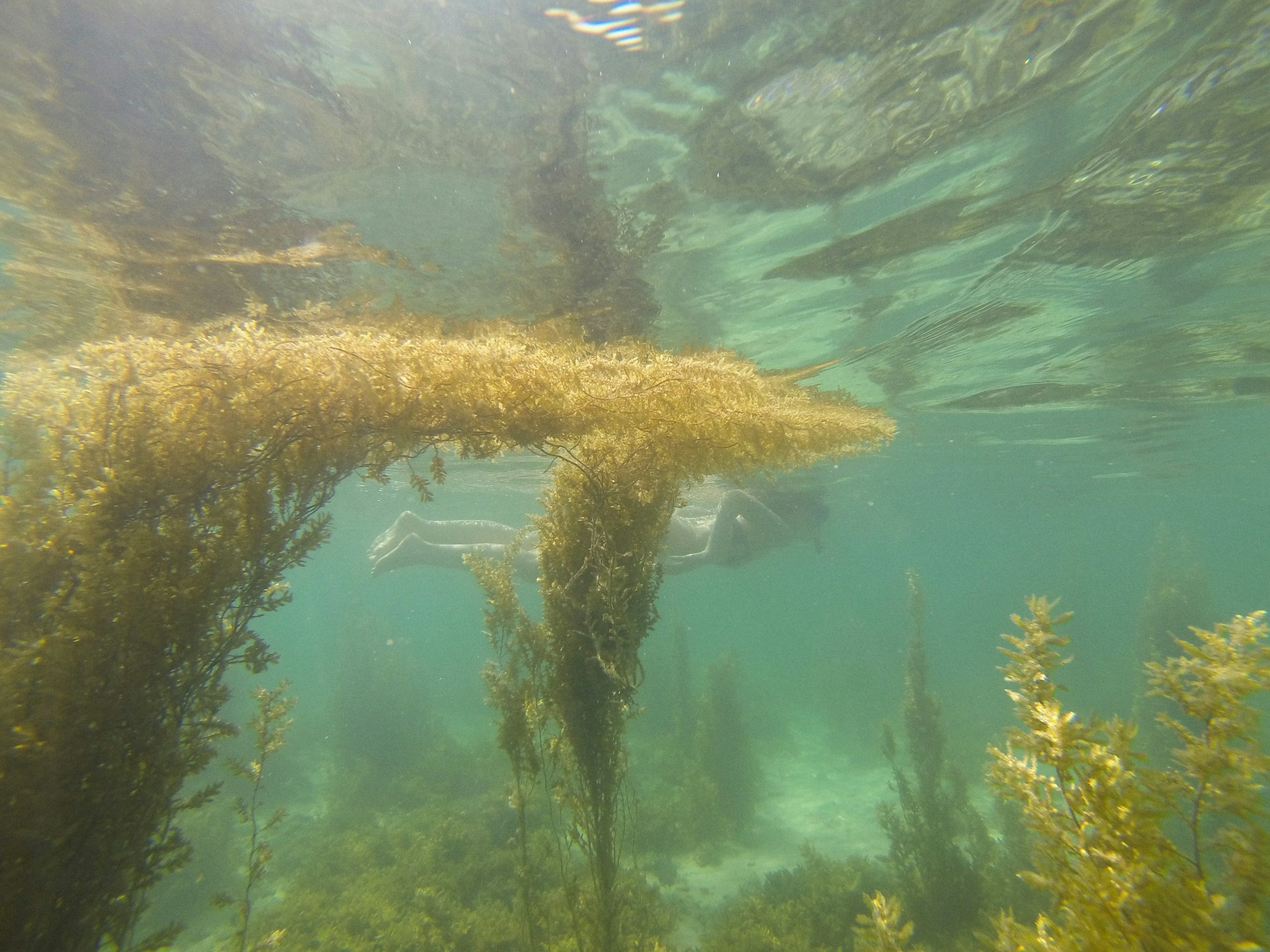
Marine biologists conduct field inspections using snorkeling or diving to document habitat conditions and marine species.
Seagrass mapping
Mapping techniques identify seagrass distribution, density, and health within a project area.
Benthic habitat analysis
Specialists examine seabed conditions and biological communities living within sediments.
Remote sensing and GIS mapping
Aerial imagery and geographic mapping tools are used to analyze habitat patterns across larger coastal areas.
Water quality monitoring
Measurements such as turbidity, dissolved oxygen, and nutrient levels help determine environmental conditions affecting marine life.
Combining these techniques provides a comprehensive understanding of the marine environment.
When Marine Habitat Assessments Are Needed
Environmental consulting firms often conduct marine habitat assessments during early planning stages of coastal projects. Early assessments help avoid environmental conflicts and support smoother project approvals.
Assessments are commonly required for:
- Dredging and channel maintenance
- Marina and dock construction
- Shoreline stabilization projects
- Coastal infrastructure improvements
- Waterfront development projects
- Seawall construction or replacement
By identifying ecological conditions early, project teams can design solutions that reduce environmental risks.
Benefits of Hiring an Environmental Consulting Firm
Working with experienced environmental consulting firms provides several advantages for coastal projects.
Regulatory guidance
Consultants understand environmental permitting requirements and help project teams prepare proper documentation.
Accurate environmental data
Scientific surveys ensure that marine habitats are properly documented.
Reduced project delays
Early environmental analysis helps prevent permitting complications.
Environmental protection
Assessments support responsible project design that minimizes ecological impacts.
These benefits help developers advance projects while maintaining responsible environmental practices.
Conclusion
Coastal regions support valuable ecosystems that protect shorelines, support fisheries, and maintain water quality. Responsible development requires understanding how construction activities may affect these ecosystems.
The firm provides the expertise needed to assess marine habitats, guide environmental planning, and support sustainable waterfront development. Through careful analysis and scientific evaluation, marine habitat assessments help ensure that coastal infrastructure projects can move forward while preserving important marine resources.