

Owning waterfront property in Florida comes with a clear vision: stepping out to a well-built dock, secure boat access at any tide, and a structure that holds strong through years of salt, sun, and storm seasons. A properly designed dock is not just an extension of your property, it directly impacts usability, safety, and long-term value.
It’s easy to consider a DIY build or go with a low-cost contractor who treats a dock like any other outdoor project. That decision often looks fine on day one. The problems show up later. Misjudged water depth leads to unusable boat access. The wrong fasteners corrode within a season. Poor piling placement weakens the structure under wave and tidal stress. In Florida, these are not minor issues, they turn into expensive rebuilds or even property damage.
A professional dock designer in Florida approaches the project differently. Every decision is shaped by local conditions: tidal impact, soil composition, hurricane exposure, and strict permitting requirements from agencies like the Florida Department of Environmental Protection and the U.S. Army Corps of Engineers. The result is a dock that is engineered to perform, not just built to look complete.
In the sections below, you’ll see exactly why working with a specialist is not an upgrade, but a safeguard.
1. Florida’s Marine Codes Without Costly Mistakes
Florida dock construction is tightly regulated for a reason. Every structure placed along the shoreline affects water flow, marine habitats, and neighboring properties. Agencies like the Florida Department of Environmental Protection (DEP) and the U.S. Army Corps of Engineers require strict compliance, especially in areas with seagrass beds, mangroves, or protected waterways.
What catches most property owners off guard is how detailed the Florida dock construction permitting process actually is. Setback rules, dock length limits, height restrictions, and environmental impact reviews all come into play. Even a small miscalculation can trigger delays or outright denial.
A professional dock designer in Florida understands how to align your design with local municipal codes from the start. This avoids redesign cycles, penalties, or worst-case scenarios where a non-compliant dock must be partially or fully removed after construction.
Ocean Consulting often handle this process upfront, coordinating with regulators so the project moves forward without interruptions. That alone can save months of back-and-forth and significant unexpected costs.
2. Built to Withstand Florida’s Marine Conditions
Florida is one of the harshest environments for waterfront structures. Docks here face constant stress from tidal impact, storm surge, saltwater corrosion, and intense UV exposure.
A poorly designed dock doesn’t fail immediately. It weakens gradually. Pilings shift due to improper soil anchoring. Decking warps under sun exposure. Fasteners corrode and loosen. Then a tropical storm exposes every weakness at once.
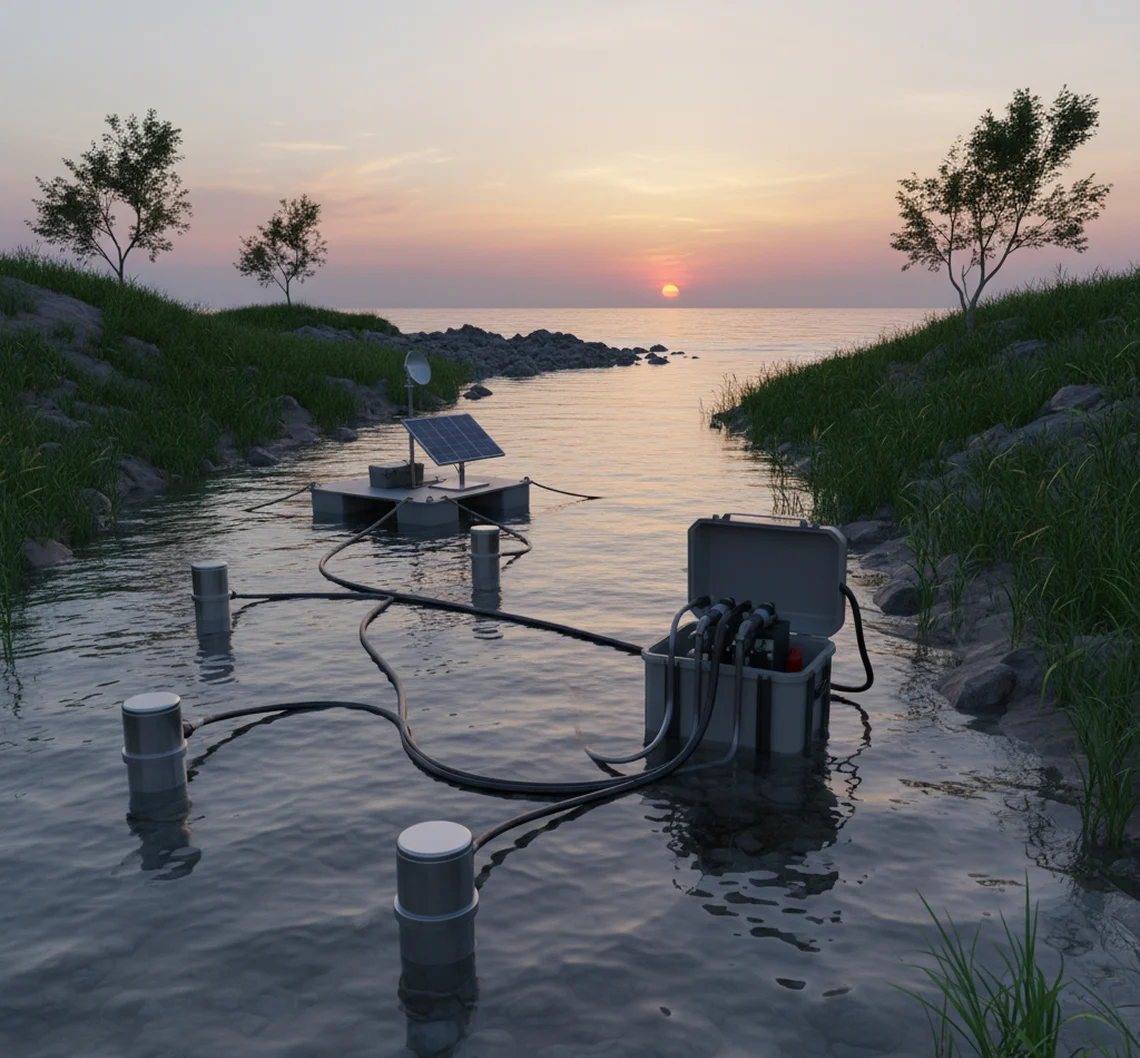
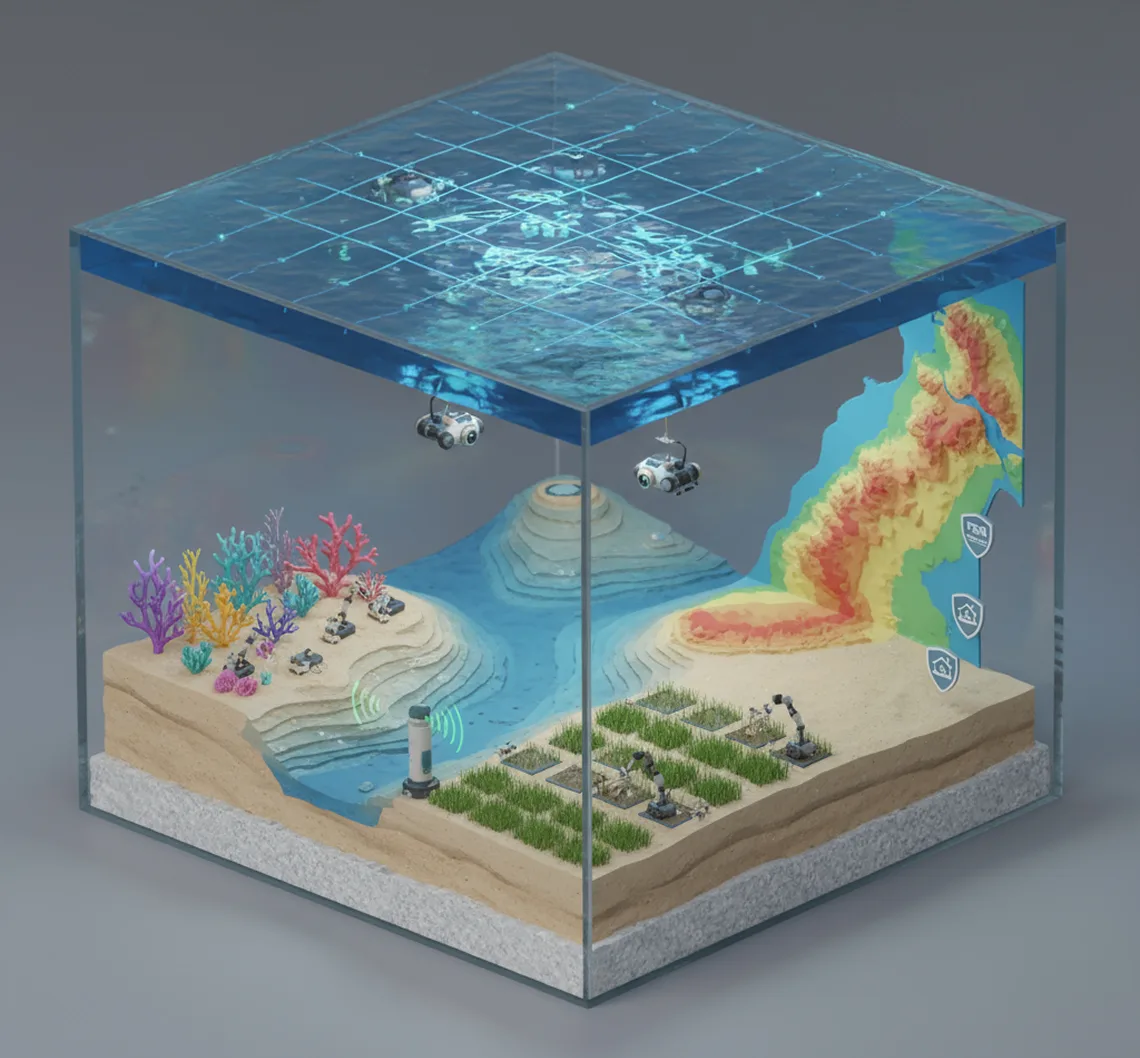
A professional approach starts with site-specific engineering:
- Measuring water depth across tides
- Evaluating shoreline elevation and erosion risk
- Assessing soil conditions for piling stability
- Accounting for wave action and boat wake
From there, the structure is designed to reduce resistance against water flow and wind forces. This includes proper piling spacing, elevation planning, and choosing between floating docks vs. fixed piers based on conditions.
3. Access to Premium, Marine-Grade Materials and Equipment
Not all dock materials are built for Florida’s conditions. What you’ll find at a standard supplier often isn’t designed to withstand constant salt exposure, tidal stress, and year-round UV.
This is where the gap between DIY builds and professional work becomes obvious.
Experienced dock building contractors rely on marine-grade composites that resist rot, warping, and fading far better than traditional wood. Structural connections use stainless steel fasteners or properly coated hardware that won’t corrode and fail over time. In load-bearing areas, galvanized steel components and reinforced brackets are selected based on the specific stresses your dock will face.
The difference isn’t just longevity. It’s structural integrity. Lower-grade materials often degrade from the inside out, which means failure happens without much warning.
Equally important is how those materials are installed.
A dock is only as strong as its foundation, and in Florida, that means properly driven pilings. Setting pilings requires specialized equipment like barge-mounted pile drivers, not handheld tools or improvised methods. These machines drive pilings deep into stable substrate, whether that’s sand, clay, or mixed underwater terrain.
Without that level of installation:
- Pilings can shift or loosen over time
- Deck structures begin to sag or twist
- Boat lifts lose alignment and create unsafe loading conditions
Professionals also use advanced anchoring systems designed to handle tidal impact and storm forces, ensuring the structure remains stable even under extreme conditions.
Ocean Consulting brings both the material sourcing and the heavy equipment needed to execute properly. That combination is what separates a dock that lasts a few years from one that performs reliably for decades.
4. Customized Designs for Your Specific Watercraft and Lifestyle
A dock isn’t just a platform. It’s an extension of how you use your waterfront.
The problem with generic designs is that they ignore how different properties and owners actually operate. A setup that works for a small fishing skiff won’t hold up for a larger vessel with a boat lift installation in Florida, and a dock built for occasional use won’t support frequent entertaining or heavy foot traffic.
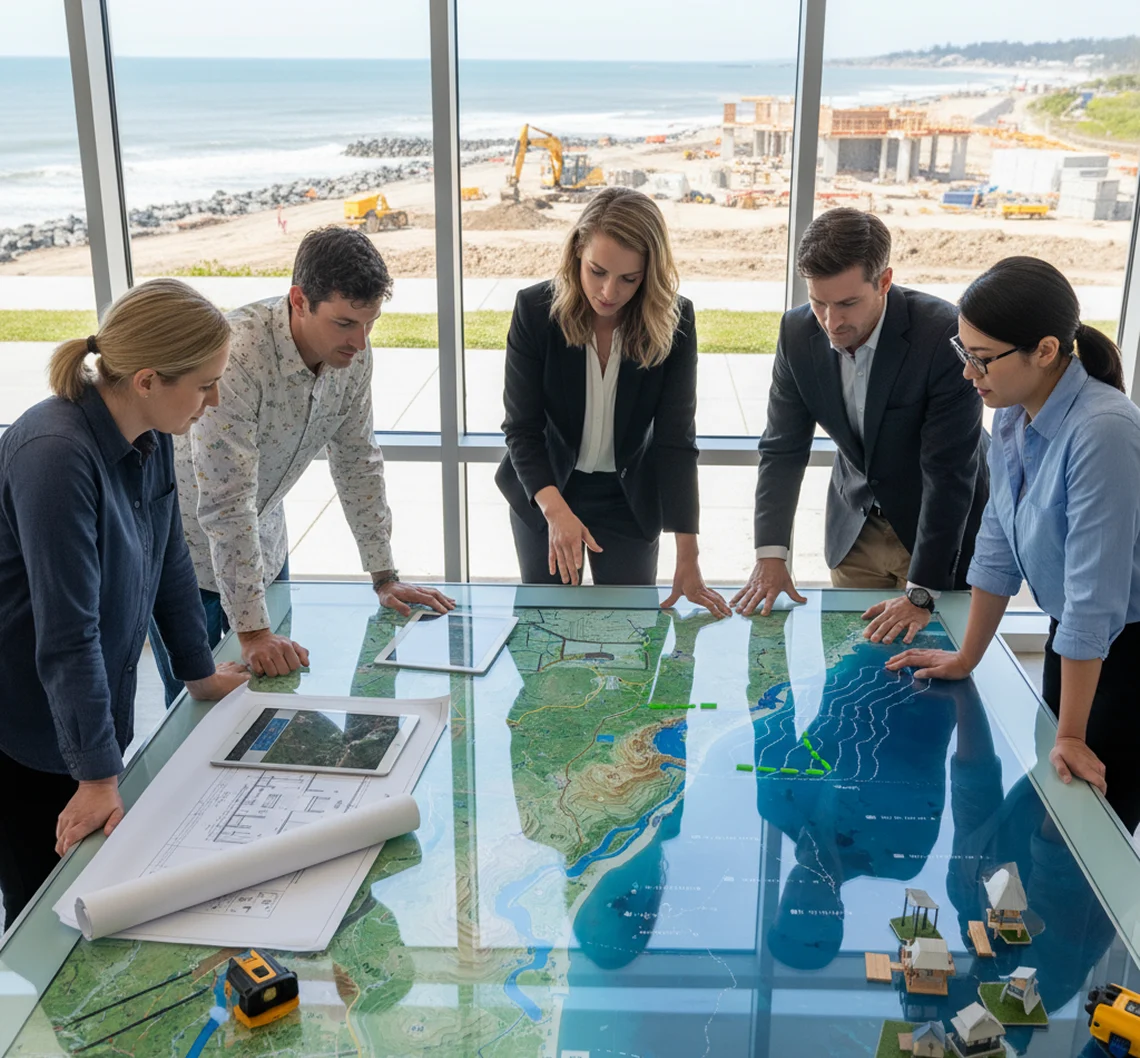
A professional dock designer in Florida starts by understanding how the space will be used day to day.
That includes:
- Boat specifications: length, beam, weight, and draft to design proper lift placement and water clearance
- Water depth and tidal variation: ensuring access at both low and high tide
- Traffic flow: safe movement between shore, vessel, and seating areas
- Load requirements: accommodating gatherings without structural strain
From there, the design becomes tailored rather than standard.
For active boaters, this often means integrating custom boat docks for saltwater with properly aligned lifts and guide systems that reduce wear on both the vessel and structure. For homeowners focused on recreation, features like low-clearance kayak launches or swim access points are incorporated for ease of use.
Modern builds also include functional upgrades such as:
- Shore power connections for charging and onboard systems
- Smart lighting for visibility and security
- Built-in storage or seating without compromising structural balance
When design is done right, everything feels intuitive. Boarding is easier, maintenance is reduced, and the dock supports your lifestyle instead of limiting it.
5. Long-Term Cost-Effectiveness, Safety, and Property Value
The biggest misconception in dock construction is focusing on upfront cost instead of lifetime cost.
A poorly designed dock may look fine at completion, but problems surface quickly in Florida’s environment. Fastener corrosion weakens connections. Inadequate piling depth leads to shifting. Subpar materials break down under UV exposure. What starts as a “budget-friendly” build often turns into ongoing repairs, premature piling replacement, or full reconstruction within a few years. That cycle is expensive.
A professional dock designer in Florida builds with long-term performance in mind. Proper engineering, correct material selection, and accurate load calculations reduce maintenance and extend the lifespan of the structure significantly.
Safety is another factor that often gets overlooked until something goes wrong.
Unstable decking, misaligned boat lifts, or weakened structural points create real liability risks. Slips, collapses, or vessel damage can quickly turn into costly claims. A professionally designed dock accounts for load-bearing capacity, safe access points, and secure integration with nearby structures like seawalls or bulkheads.
Buyers and inspectors notice the difference immediately. A structurally sound, properly permitted dock built with Florida marine construction standards adds confidence. A questionable build raises concerns and invites negotiation.
The Final Verdict
Building a dock in Florida isn’t just a construction project. It’s a structural decision that affects your property, your safety, and your long-term costs.
From navigating the Florida dock construction permitting process to selecting the best materials for Florida docks and engineering for tides, storms, and salt exposure, every detail matters. Cutting corners early almost always leads to bigger problems later.
Choosing a professional dock designer in Florida means your dock is built with intent, not guesswork.
Ocean Consulting works with Florida property owners to design and plan docks that align with real site conditions, regulatory requirements, and long-term use. If you want clarity on what your project should look like and what it will take to do it right, the next step is simple.
Request a consultation and get a clear path forward for your custom dock project.