
Working near water is unlike working inland. Coastal and marine projects require more knowledge, approvals, and environmental oversight because ecosystems like tidal zones, submerged lands, and shorelines are protected through strict regulations. A coastal engineer helps guide projects through these conditions by combining science, fieldwork, and regulatory coordination to achieve successful outcomes while protecting sensitive environments.
Marine environmental consulting is practical, technical, and strategic. Consultants look at how a proposed activity could affect the shoreline, water quality, and biologically active areas. They evaluate site conditions, determine what rules apply, help prepare applications, and explain how to address environmental concerns so the project proceeds without unnecessary setbacks.
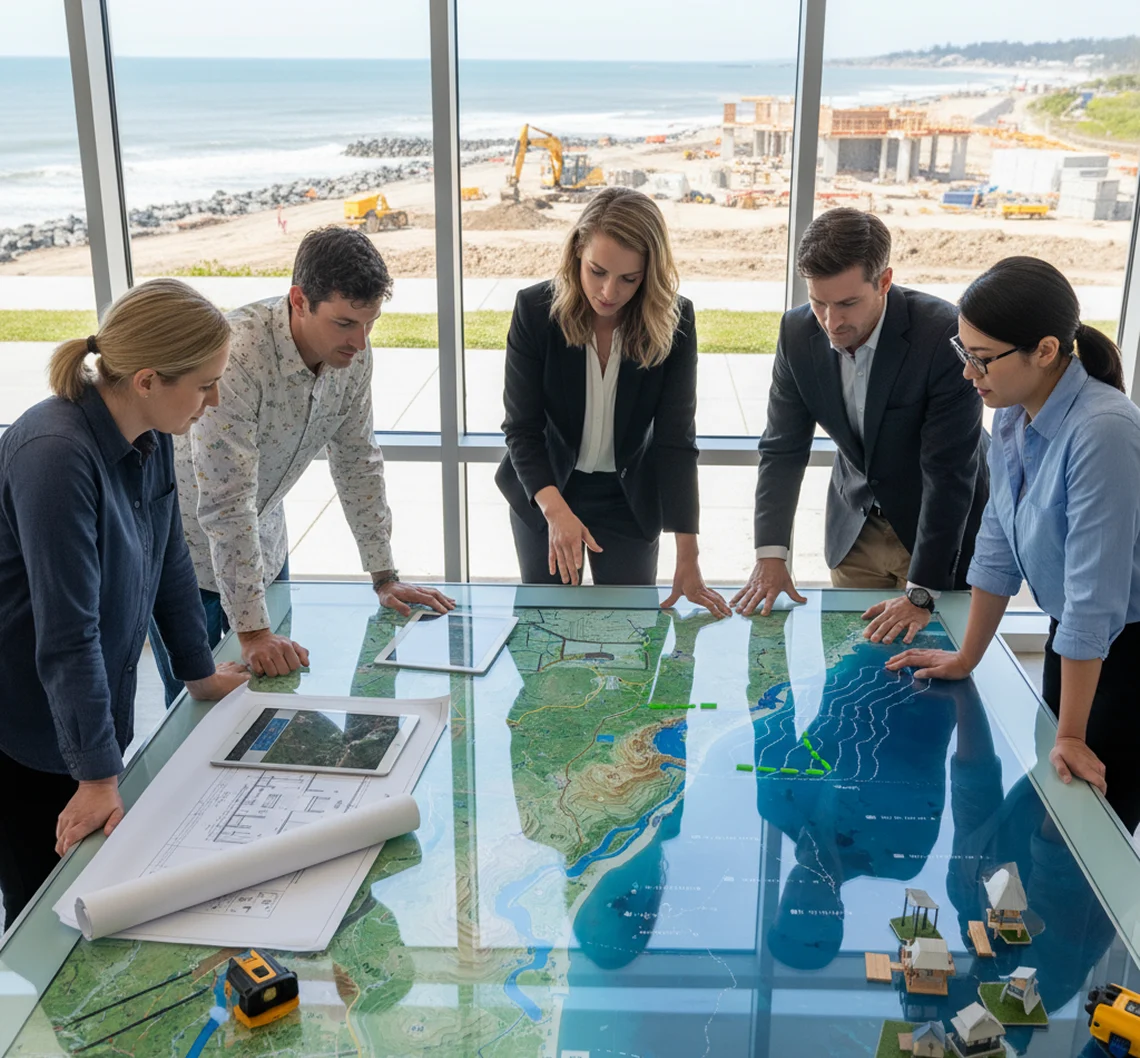
At the heart of this work is a deep understanding of natural systems and the rules that govern them. Consultants act as advisers to property owners, design teams, engineers, builders, and public agencies. They reduce risk, help clients meet legal requirements, and ensure projects comply with environmental standards.
How Site Evaluation Helps Succeed Every Marine Development Project
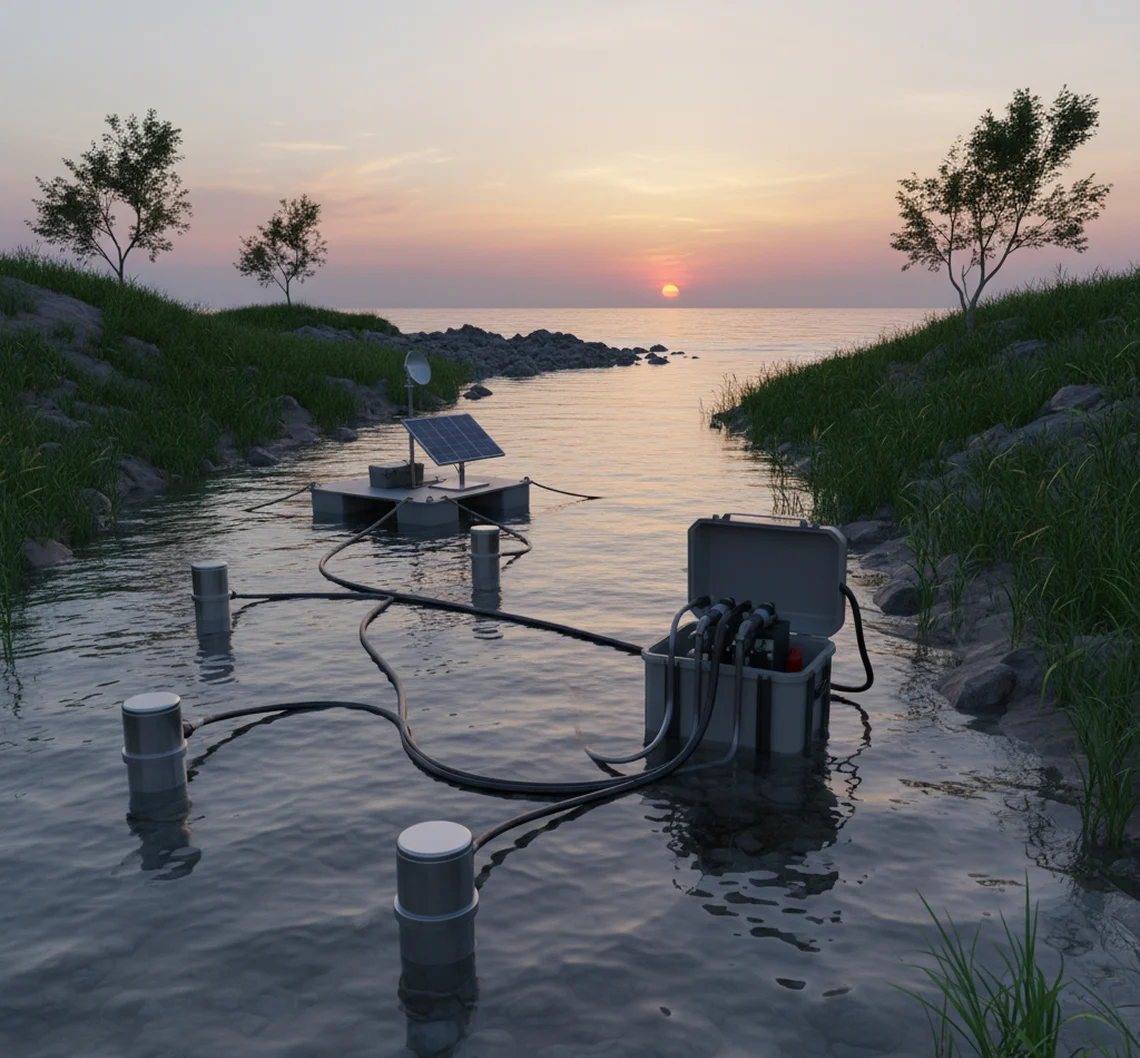
Before anyone starts designing a structure or planning construction, it is essential to understand the environmental baseline of a site. Marine environmental consultants begin with careful field observation and data collection to document existing conditions. This process includes observing shoreline alignment, tidal influence, wetland extents, and biological features like submerged vegetation.
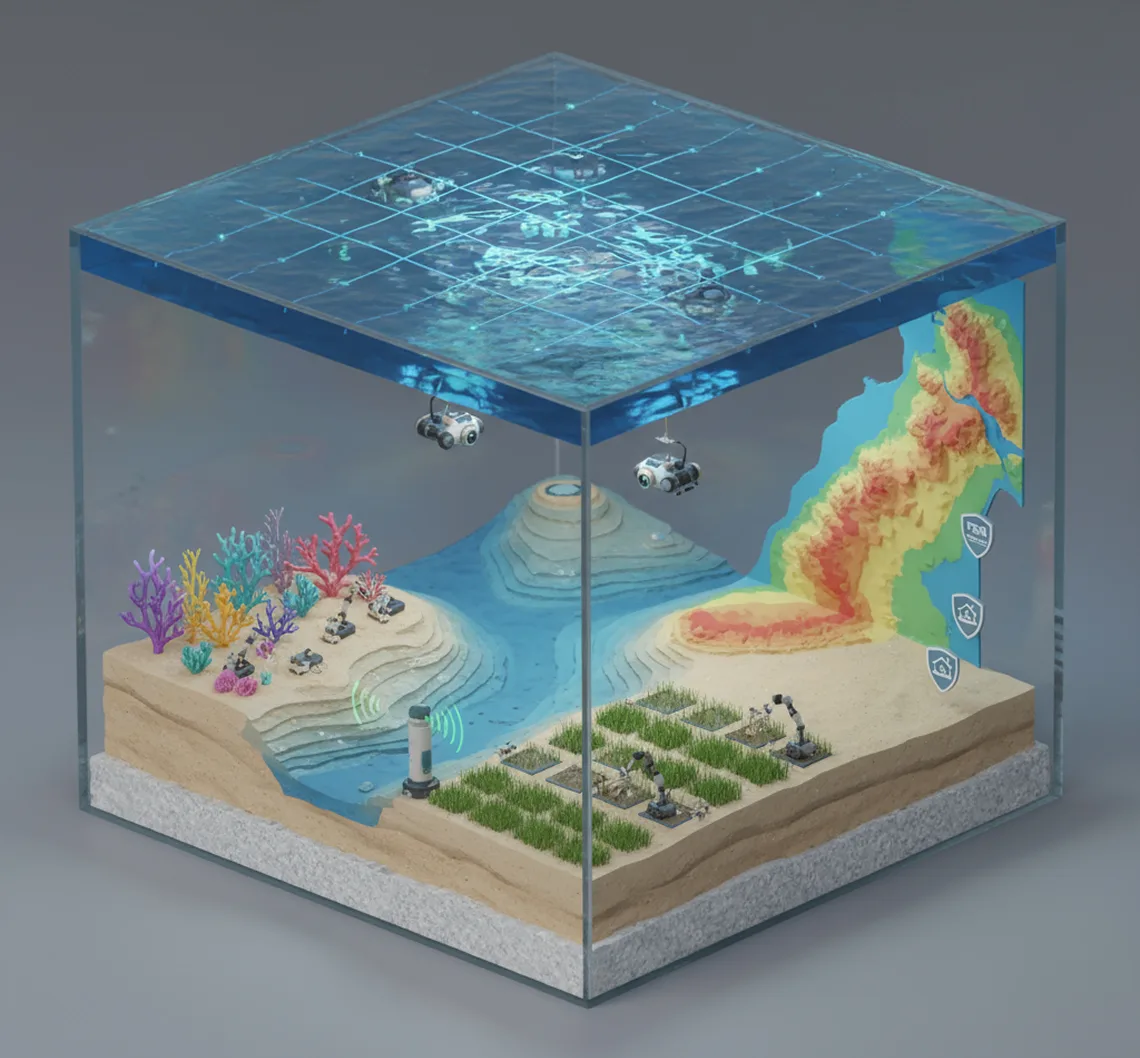
This kind of assessment supports permitting and compliance requirements later in the project. For example, consultants may conduct surveys to identify underwater conditions through bathymetric surveying of channels and shorelines. This data informs teams about water depths, underwater hazards, and sediment patterns that influence design and permitting strategy.
Accurate field documentation based on scientific standards adds credibility to permit applications and helps avoid redesigns when agencies request more information.
Guidance Through Permitting and Regulatory Review
One of the most critical parts of a consultant’s role involves helping clients with regulatory approvals. Projects involving seawalls, docks, boat lifts, dredging, or habitat modification typically require permits. Navigating rules from federal, state, and local agencies can be complicated, especially when multiple approvals are needed.
Consultants prepare the technical materials for permit applications and work with reviewers to answer questions and address concerns. This includes writing reports, preparing documentation, and assembling supporting data. For waterfront structures and improvements, these deliverables help satisfy standards so agencies can make informed decisions.
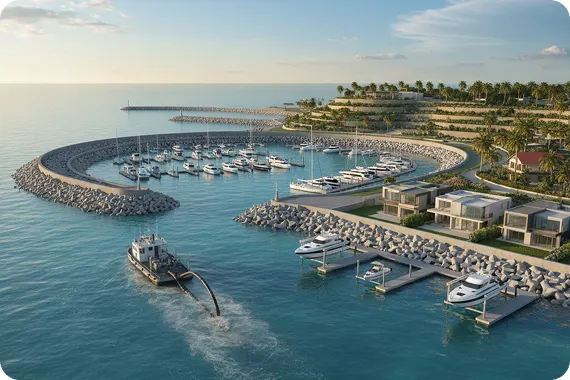
Many professionals also assist with marina design and permitting to help develop plans that meet building and environmental criteria while considering navigational safety and usability.
Instead of treating permitting as a final step, experienced consultants build strategies into early project planning. This early involvement lowers the chance of rejection, reduces the need for revisions, and shortens approval timelines.
Technical Reporting and Environmental Analysis
Regulatory agencies do more than sign off on designs. They want to understand how a project could affect marine habitats, sediment transport, water quality, and natural processes. Consultants prepare reports that describe these effects and show how impacts will be mitigated or minimized.
The scope of environmental impact analysis varies by project. It may include sediment transport assessments, vegetation impacts, and biological observations. Where activities could affect seagrass or coral, consultants often determine how environmental protections apply and document them. This step relies on clear, scientific explanations that agencies expect before making decisions.
Documents submitted by consultants are both technical and practical, serving as a record of environmental conditions and a plan for how work will stay within regulatory boundaries. According to research on marine systems, understanding habitat dynamics like seagrass distribution and sensitivity is essential in minimizing harm during coastal work.
Mitigation Planning and Adaptive Strategies
When impacts can’t be fully avoided, mitigation is often a required part of getting approval. Consultants develop plans to offset or restore affected conditions. For example, they work on seagrass mitigation plans that outline how lost or disturbed vegetation will be replaced or enhanced to meet environmental standards.
Mitigation planning involves defining methods, locations, and monitoring frameworks to ensure that regulators can verify the measures are practical and achievable. These plans are based on ecological guidance and experienced judgment to support environmental protection and project goals.
This approach strikes a balance between responsible stewardship and realistic project execution.
Support During Construction and Compliance Monitoring
Environmental responsibilities extend beyond planning and approval. Many marine environmental consultants remain involved during construction to verify that work complies with permit conditions and environmental safeguards. This includes inspections, coordination with builders, and documentation of key milestones.
Verification helps protect sensitive habitats and prevents costly issues such as regulatory violations or work delays. Consultants may check installation details, assess erosion control measures, and confirm the protection of key resources.
Construction oversight provides peace of mind for owners and ensures projects proceed as intended.
Long-Term Project Strategy and Risk Management
Coastal environments change due to storms, wave energy, shoreline movement, and sea level influence. Understanding these dynamics helps guide decisions that affect long-term project success.
Experienced consultants look beyond immediate design to assess future exposure and potential risks. They help clients consider how structures will perform over time, what maintenance may be needed, and how regulations might affect future work. This includes analyzing flood exposure and working on FEMA flood zone mapping and re-mapping to support design and insurance planning.
By thinking ahead, stakeholders can make better choices about structure placement, resilience, and future compliance needs.
Who Works with Marine Environmental Consultants?
People and organizations that benefit from marine environmental consulting include:
-
Homeowners planning docks or waterfront improvements
-
Developers working on marinas and community access points
-
Engineering teams integrating environmental data into designs
-
Municipalities planning shoreline improvements
-
Agencies and stakeholders focused on resource conservation
These consultants are particularly helpful on projects where regulatory complexity, environmental sensitivity, or risk is high. When engaged early, they support informed planning and reduce uncertainty before design and construction costs rise.
The Way Forward
Marine environmental consultants play a key role in responsible shoreline and coastal development. Through data-driven site evaluation, permitting guidance, environmental analysis, mitigation planning, and construction support, they help guide projects from concept to completion. For waterfront property owners and project teams, partnering with a qualified consultant increases clarity, minimizes risk, and makes it easier to achieve compliant and resilient outcomes.
For further technical insight into marine ecosystems and conservation science, the Gulf Specimen Marine Laboratory organizes research and educational resources related to coastal ecosystems and species, including work on wetland protection and habitat studies.